
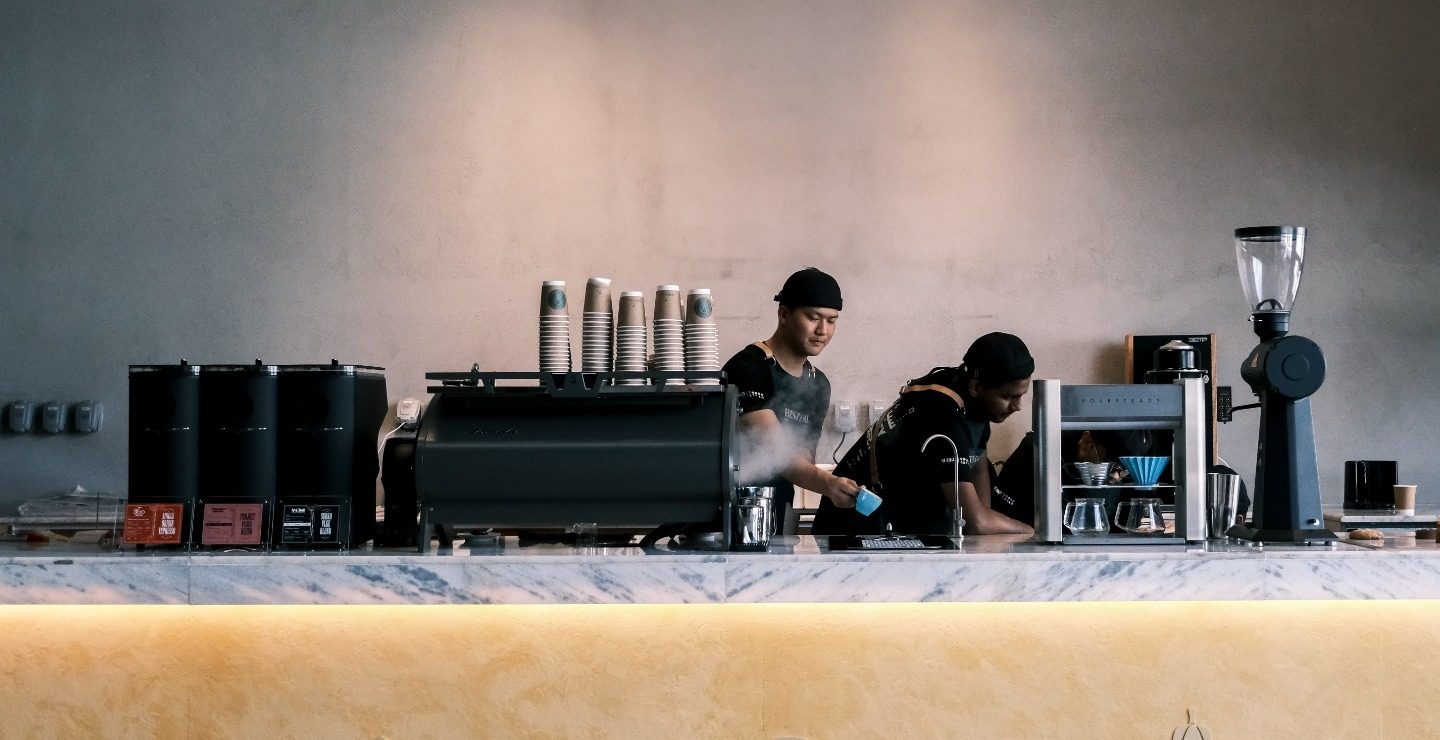
Subko Specialty Coffee Roasters & Bakehouse, the design-led craft house from Mumbai, has opened its global flagship at Alserkal Avenue and, in doing so, posed a delightfully subversive question to Dubai’s cultivated palate: what if the next world-class cultural export does not come from the usual epicentres of Copenhagen or Tokyo, but from the terroir of the Indian subcontinent?
This is not merely a café. It is a 5,000-square-foot manifesto: a multidisciplinary theatre of craft in which the performance is one of radical transparency. Founder Rahul Reddy, a diasporic South Asian and former development economist, conceived Subko as a corrective to a prevailing global narrative. “From yoga to chai, the traditional symbols of South Asia’s contribution are well recognised globally,” he notes, with the dry precision of someone accustomed to deconstructing systems. “We asked ourselves how we could make this cultural identity relevant for a new generation.”
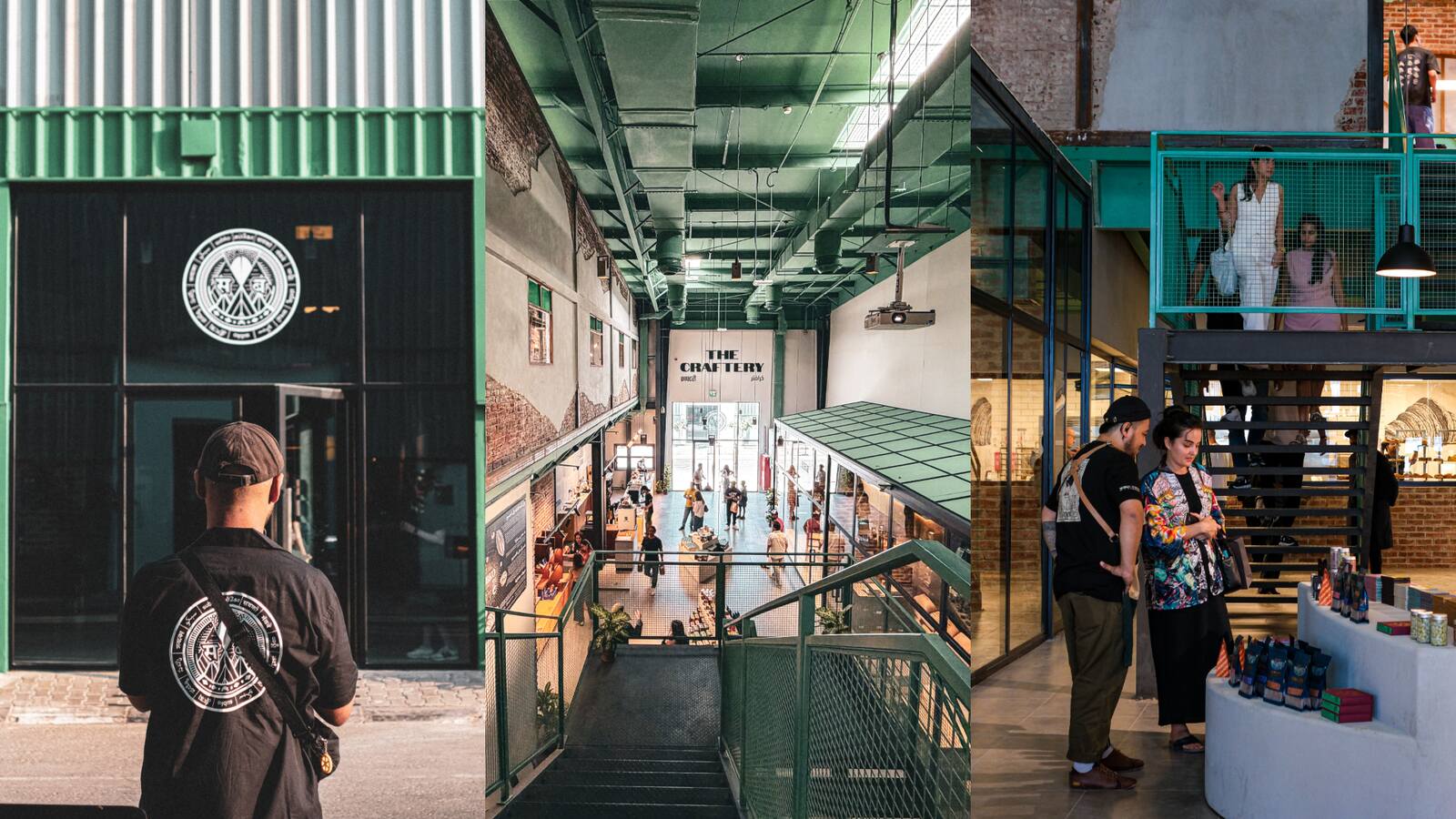
The answer unfolds across two meticulously curated levels, a physical journey that mirrors the brand’s philosophical one. The ground floor, dubbed The Craftery, is where the dogma of “farm to plate” is rendered not as marketing poetry, but as visible, tangible fact. Here, the clinical theatre of a modern laboratory meets the warm chaos of a South Asian haat. A bespoke Giesen coffee roaster, customised to Subko’s profiles, hums not in a hidden back room but as a central altar. Through glass, visitors witness the alchemy of dough lamination and cacao transformation in real time. It is a living rebuttal to the opaque supply chains of modern consumption, a space that understands a new generation of luxury clients in the Gulf wants experiences grounded in heritage storytelling, digital seamlessness and measurable purpose.
This is design as dialect. Working with designer Aniruddh Mehta of Studio BigFat, Reddy rejected a reductive idea of India. Instead, Subko’s visual language forms a sophisticated tapestry of the subcontinent’s cultural codes. Typography collages Sanskrit, Anglo-Western and Islamic scripts. The iconic coffee packaging – a tactile box rather than a standard gusseted bag – draws on the printed ephemera of the region: old railway tickets, shipping labels and bus stubs. Each label is screen-printed by hand, embracing a deliberately unfinished look that whispers of human craft in a world of machine perfection. It is a sartorial choice for your coffee shelf: the equivalent of a well-cut linen suit over a mass-market blazer.
View this post on Instagram
The journey crescendos in the Don’t Be Sensitive, Be Sensory room, where coffee cupping and cacao tasting are paired with a Single Origin VR experience. Guests are virtually transported to a smallholder farm in the Pulney Hills of Tamil Nadu or a co-operative in Nepal, sipping a microlot brew while tracing its origin with their eyes. It is an act of narrative immersion that would make a documentary filmmaker envious, grounding flavour in geography, labour and sun-drenched soil.
Ascend to the mezzanine, Quoz Quarters, and the mood shifts from laboratory to languorous salon. This is Subko’s affectionate, localised homage: a winding sequence of rooms that evokes the whimsical nostalgia and modernity of a Bombay mohalla, reimagined for Al Quoz. An earthy red-oxide bleacher seating area, Mehfil, anchors conversation. Corridors are dedicated to Indic typography (Zubaan), the origins of wheat and the science of coffee species. The journey culminates in The Last Supper, a gallery-style space for dialogue and, yes, a custom carrom board – an invitation to partake in one of South Asia’s most enduring social rituals over a perfectly brewed cup.
The product philosophy is as uncompromising as the design. This is neither a French pâtisserie nor a café reliant on Colombian imports, though that would have been the easier path. Subko’s mission is to position the subcontinent as a world-class origin in its own right. Its multi-species coffee programme spans Arabica, Robusta, Liberica and Excelsa, sourced from Karnataka to Nagaland and neighbouring Nepal. The cacao programme – dubbed a bona fide “chocolate heaven” by Vogue India – is equally rigorous. From Single Origin Terroir bars to experimental creations such as curry-leaf-infused white-chocolate-coated cashews, it is a masterclass in elevating hyper-local flavours to the realm of global luxury.
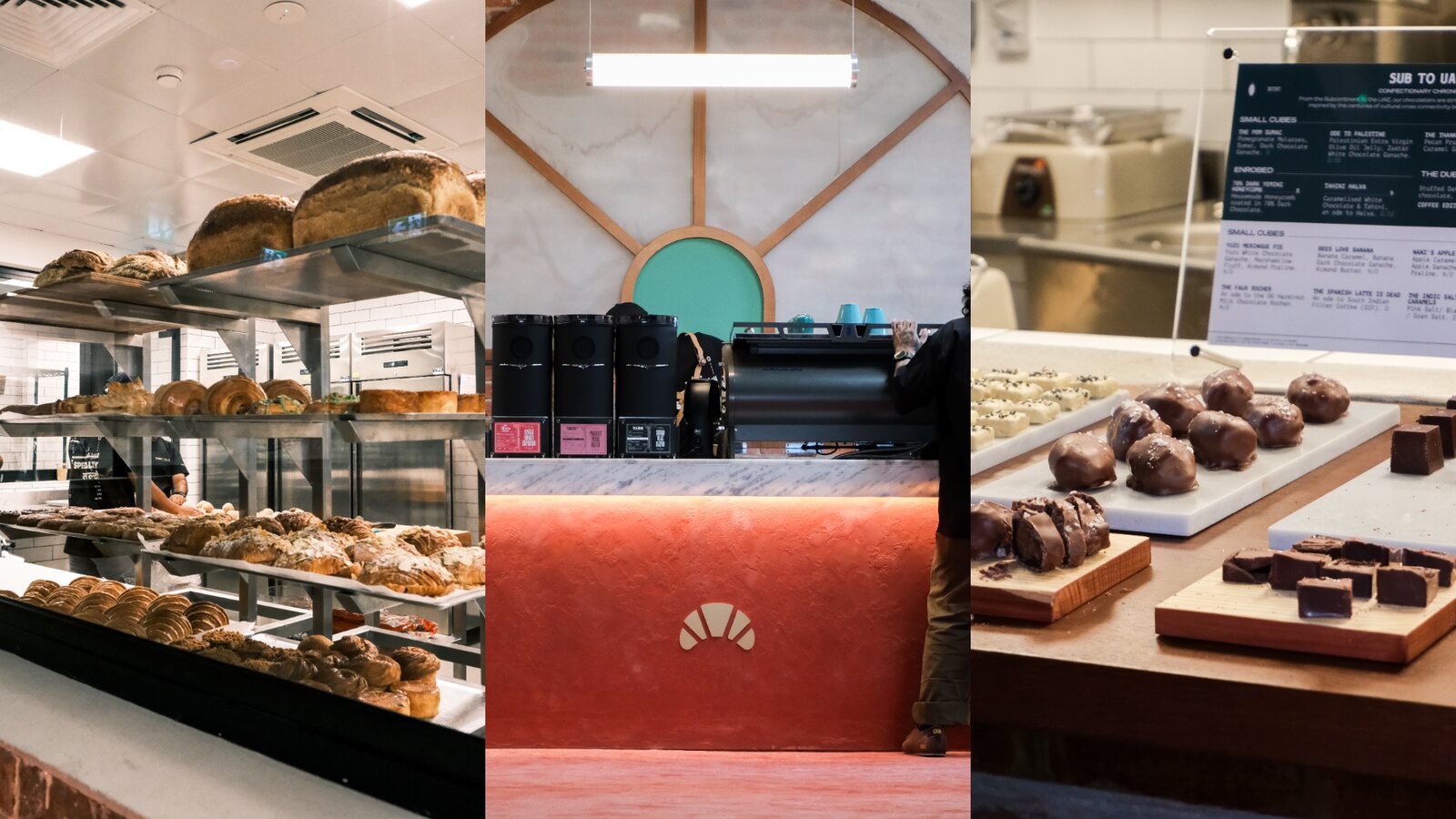
What Subko has engineered in Dubai is more than a new dining destination. It is a culturally fluent ecosystem. Through Subculture, the brand spotlights design-led objects and publications from the Asian diaspora. Its social-media presence – a Pinterest mood board brought to life – extends this aesthetic universe online. In a market saturated with sterile minimalism on one end and overworked glamour on the other, Subko offers a sharp, intelligent alternative. It understands that for the discerning millennial and Generation Z cohort shaping Dubai’s future – a demographic driving technology, sustainability and art trends – true luxury is knowledge: the story behind the bean, the hand behind the design, the origin behind the flavour.
So, when you find yourself at Alserkal Avenue, bypass the obvious. Step into Subko’s serene insurgency. Order a pour-over from a microlot in Meghalaya, break off a piece of 65 per cent Himalayan pink salt dark chocolate, and settle into a corner of the Mehfil. You are not merely taking a coffee break. You are participating in a quiet, delicious revolution – one in which the future of luxury is defined not by where you import from, but by how deeply you understand where you are standing. And in Dubai’s ever-evolving narrative, that may be the most provocative brew of all.


