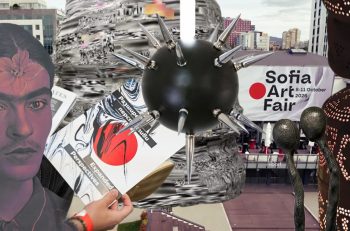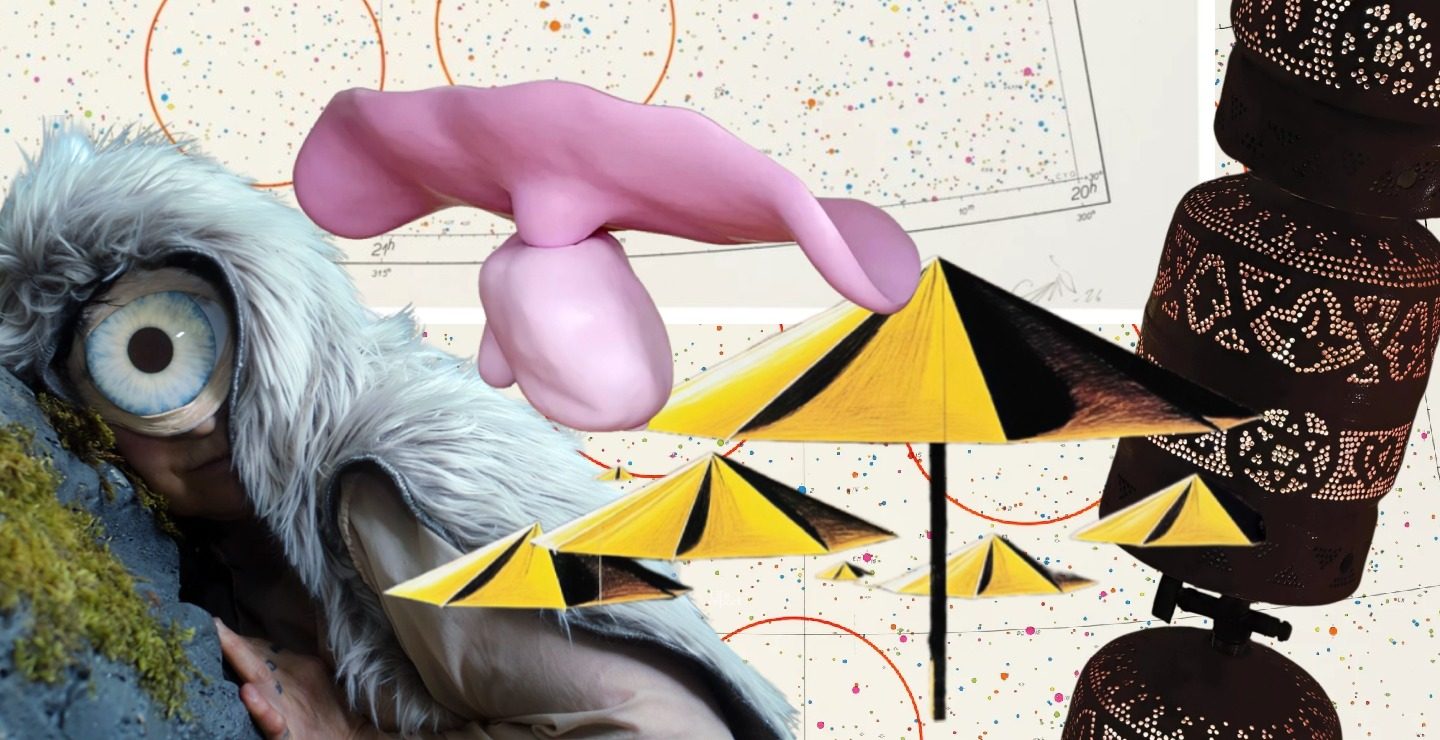
Inside Sofia Tech Park, where server racks meet sculptural interventions, the third edition of Sofia Art Fair brings together 27 galleries and exhibitors and 88 artists from five continents. Here are the five you must not scroll past.
For those of us who live between Dubai, London, and the occasional overnight stop in a city that does not yet appear on the luxury circuit’s mood board, Sofia has long been that quiet, intelligent friend – the one who reads the books you pretend to have read, wears the vintage watch you secretly covet, and never raises their voice to be heard. This October, that friend has cleared its throat. From 8 to 11 October, the John Atanasoff Innovation Forum in Sofia Tech Park becomes the stage for the third edition of Sofia Art Fair, where galleries, artists, collectors and the perpetually curious converge for four days of art that refuses to behave. The fair wears its ambition lightly: 27 galleries and exhibitors from eight countries are presenting works by 88 artists from 17 nations, across five continents. Yet the resonance is anything but provincial. Creative director Stefan Stoyanov, a gallerist and curator whose professional network spans Manhattan, Dubai, Bahrain, Moscow and Paris, has assembled a selection that reads less like a regional survey and more like a quiet manifesto: the periphery is the new centre, and it has been for some time. What follows are five artists whose presence here is not merely notable but transformative – artists whose work is likely to make your collector’s heart rate do that thing it does when you know, immediately, that the next six months of conversation have already been decided for you.

Christo and Jeanne-Claude
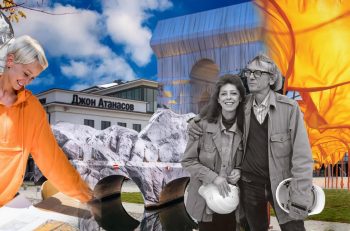
We begin with the ghosts. Christo and Jeanne-Claude, presented by DG Art Gallery, are the most globally famous names on this list – and, for Bulgarian audiences, the most emotionally complex. Christo, born in Gabrovo, left behind a corpus of monumental temporary interventions that redefined what art could be and how it could disappear: the wrapped Reichstag in Berlin, the Pont Neuf in Paris and The Floating Piers on Lake Iseo. His work belongs to the art-historical canon, and the secondary market has followed accordingly: a selection from the couple’s private collection sold for €8 million at Sotheby’s Paris in 2021, more than double its high estimate. DG Art Gallery, the latest project of Denitsa Atanasova-Gergova, is presenting a selection spanning nearly six decades of their shared practice, from 1963 to 2021. Among the works are lithographs and collages related to The Mastaba, signed editions from The Gates in Central Park, and a haunting piece connected to Wrapped Portrait of Jeanne-Claude, the original of which is now held by the Museum of Contemporary Art San Diego. Preparatory works also trace The Wrapped Reichstag, the Pont Neuf and L’Arc de Triomphe, Wrapped – the latter realised posthumously, a year after Christo’s death, under the direction of his nephew, Vladimir Yavacheff. For Atanasova-Gergova, the choice is personal: “Christo is a symbol of how Bulgarian roots and genius can reach the highest global heights.” It is the kind of statement that could read as patriotic boilerplate, except that the evidence – wrapped in fabric, suspended in rope and fetching millions at Sotheby’s – suggests she is simply stating a fact.
Carsten Nicolai
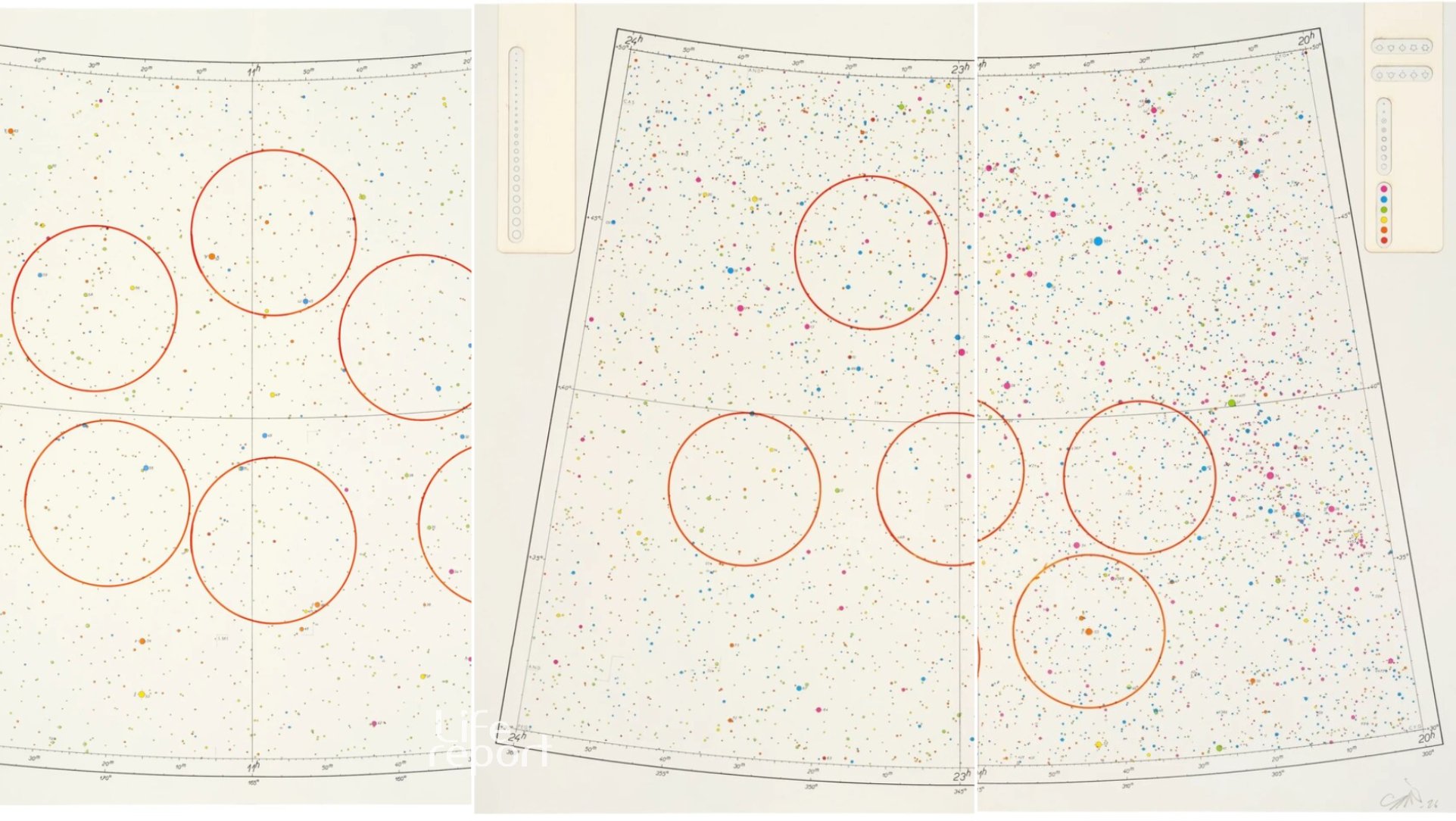
Then there is Carsten Nicolai, presented by Pinksummer. Nicolai is a rare creature: a visual artist who, as Alva Noto, is also a genuinely important figure in experimental electronic music. He participated in documenta X and the 49th and 50th Venice Biennales, with solo exhibitions at the Neue Nationalgalerie in Berlin, Schirn Kunsthalle Frankfurt and Haus der Kunst München. His contribution to the score of The Revenant, created with Ryuichi Sakamoto and Bryce Dessner, brought him recognition well beyond the contemporary art world. At Sofia Art Fair, Pinksummer – the Genoese gallery based at Palazzo Ducale and named after a Takashi Murakami canvas shown in its inaugural exhibition in 2000 – presents Nicolai’s Atlas Borealis, a series of interventions on maps from Antonín Bečvář’s Atlas Borealis, published in 1962 with an astronomical epoch of 1950.0. Nicolai overlays six circles on various constellations, linking the mathematical order of the star charts with the randomness of lottery numbers. It is a body of work that asks, with characteristic intellectual elegance, whether the universe is a pattern or a joke. The answer, one suspects, is both.
Moataz Nasr
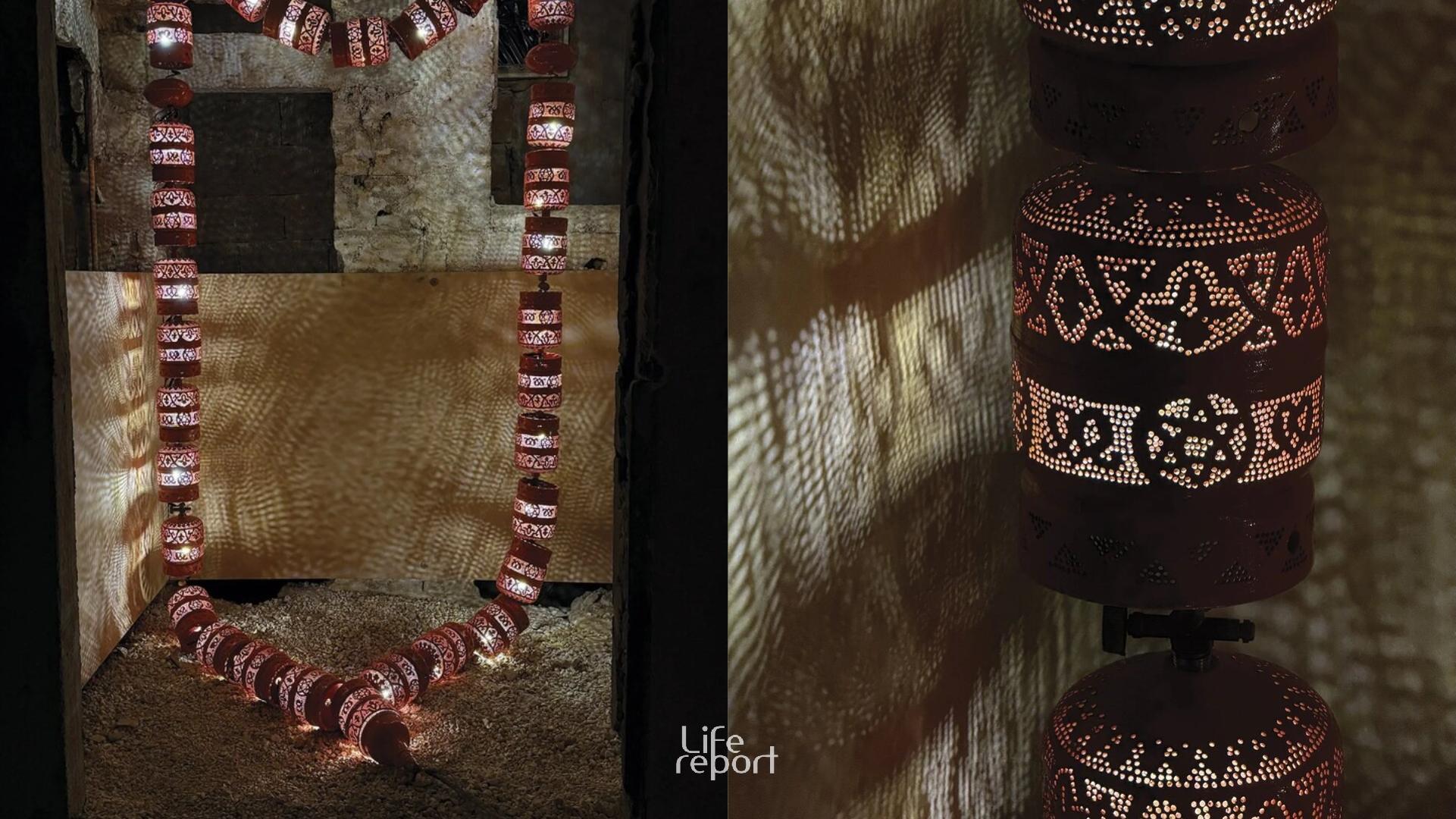
Moataz Nasr, presented by Collect Gallery, brings a different kind of gravity. Widely regarded as one of the leading figures of pan-Arab contemporary art, Nasr represented Egypt at the 2017 Venice Biennale and was among the artists who founded Cairo’s influential Townhouse Gallery in 1998. He has exhibited at the Louvre Abu Dhabi and the Islamic Arts Biennale in Jeddah. His practice spans sculpture, installation, film and painting, exploring questions of identity, spirituality, social transformation and collective memory. Collect Gallery, the unified identity of what was previously Gallery +359 and Gallery Charter, operates permanent spaces in Sofia, Istanbul and Limnos, alongside publications, site-specific projects and international collaborations, with a philosophy that art “lives fully when it is collected, maintained and shared”. In a fair context where the commercial and the curatorial often perform an awkward dance, Nasr’s presence is a reminder that the best work refuses to choose between the two.
Bistra Lechevalier
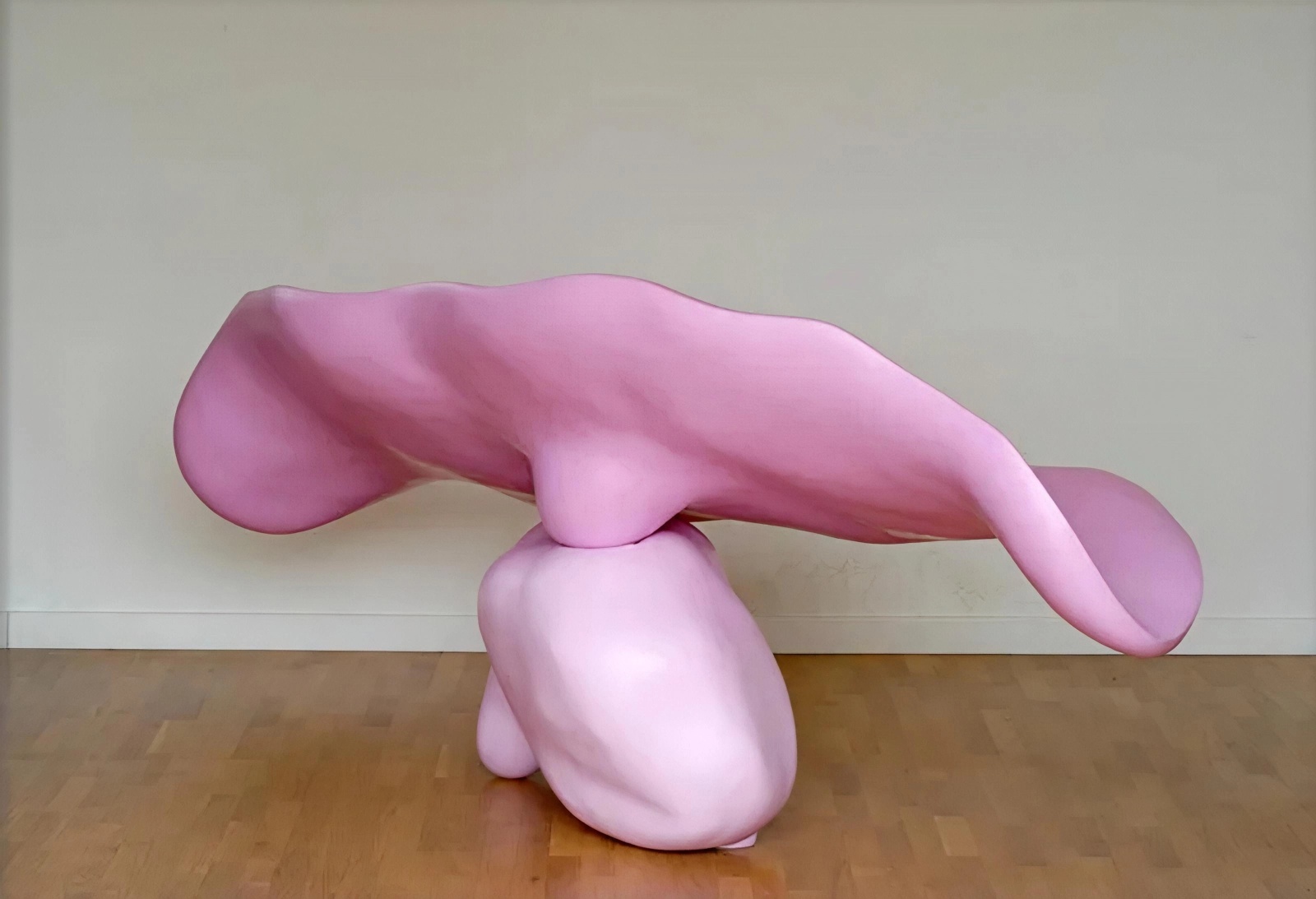
Bistra Lechevalier, presented by L.I.N.K. Gallery, is the revelation. Born in Sofia in 1933, she settled in Paris in the mid-1960s after years marked by political repression and restrictions on her artistic education in communist Bulgaria. There, she began exhibiting extensively and working on projects for French public spaces, eventually building an international reputation through experimental sculpture, installations and conceptual practices. More than six decades after graduating in sculpture in 1962, she remains a living link between mid-century conceptual art and the present moment. Her biography is shaped as much by political history as by aesthetic innovation – a sculptor of matter and memory, exploring the tension between liberty and constraint. L.I.N.K. Gallery, which opens in Sofia on 9 October 2026, describes its programme in terms of “connection, symbiosis, and interaction”, unbound by singular themes or geographic limitations. In presenting Lechevalier, the gallery is not merely showing an artist; it is performing an act of cultural restitution.
Trine Lise Nedreaas
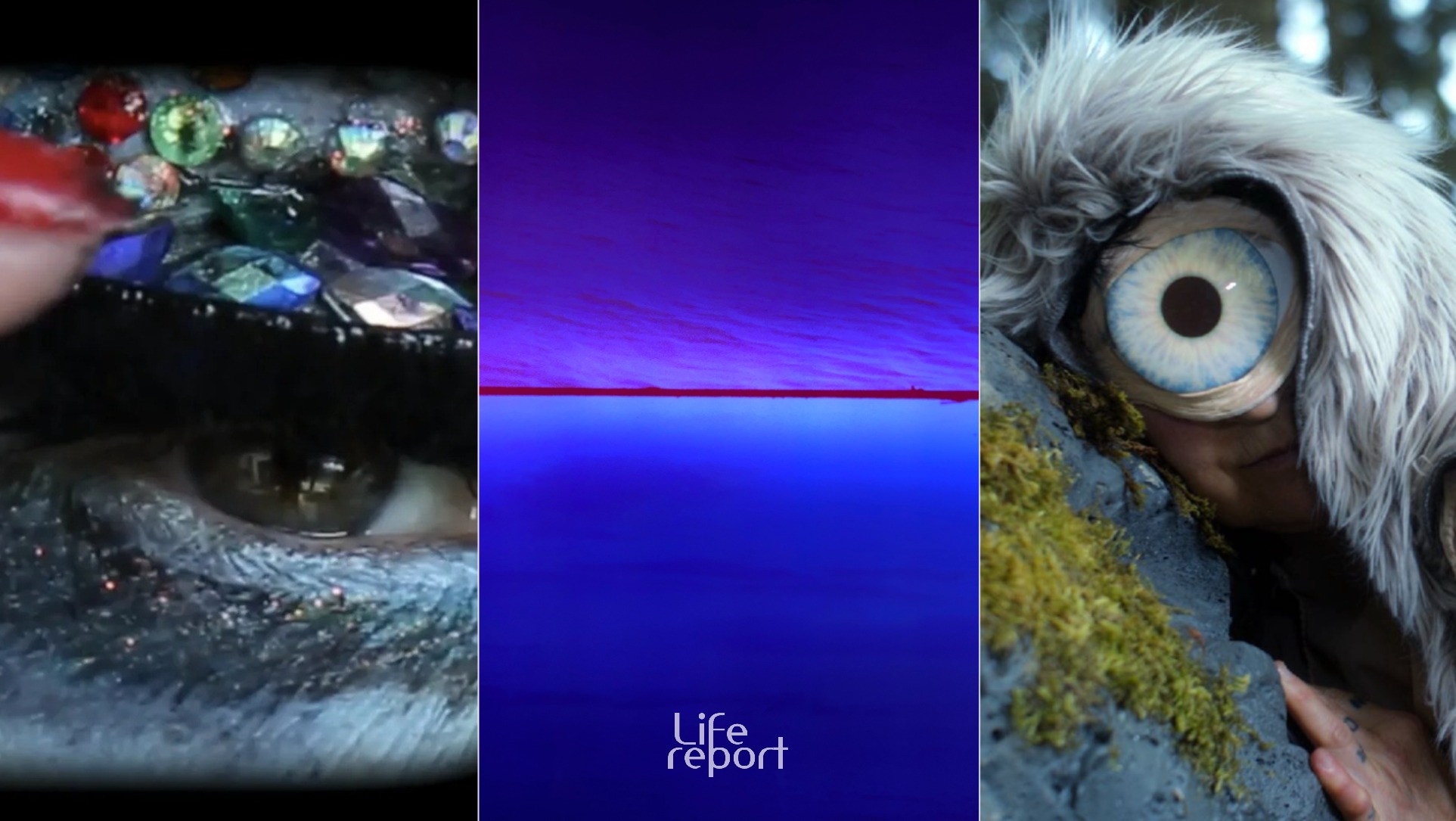
Finally, Trine Lise Nedreaas, presented by Doza Gallery. A Norwegian artist best known for her intimate, performance-based film works exploring repetition, endurance and the body, Nedreaas studied at Central Saint Martins and the Slade School of Fine Art before building a career that has taken her work to MoMA PS1, the Mori Art Museum, KW Institute for Contemporary Art, MACRO in Rome and the Astrup Fearnley Museum in Oslo, as well as to the Times Square Arts billboards in New York. Her work is held in collections including the National Museum of Norway, KODE in Bergen and the Neuer Berliner Kunstverein. Doza Gallery, founded in 2019, has a reputation for conceptually rigorous programming, and Nedreaas’s Pace (2024) – a split-screen 16mm film installation structured as a visual poem, in which fragments are linked through rhythm, gesture and resonance – was presented at the gallery in Sofia in 2025. It is the kind of work that rewards patience and punishes distraction, which is to say it is the opposite of most things on your phone.
View this post on Instagram
Sofia Art Fair 2026 is not trying to be Art Basel. It is trying to be something more interesting: a fair that understands that the future of contemporary art is not in the established capitals alone, but in the places where collectors, curators and artists are building something from scratch, with conviction and without the safety net of institutional consensus. The SAF Talks programme, running in parallel from 9 to 11 October, brings international experts, artists, curators, collectors and cultural managers into the conversation. The VIP preview and opening on 8 October promise the kind of curated intimacy that larger fairs have long since abandoned. And the works themselves – by Christo and Jeanne-Claude, Nicolai, Nasr, Lechevalier and Nedreaas – are not simply on display. They are on trial, in the best sense: before an audience that knows the difference between a work of art and a commodity, and has the taste to prefer the former.
ALSO READ: The 3d Edition of Sofia Art Fair Gets Bigger, Bolder And More Ambitious