Summer in the Gulf comes with its own peculiar form of exile: you spend the season trying not to feel the season at all. Air-conditioning becomes a way of life; the journey from a chilled apartment to a chilled car is less a commute than a survival ritual, while the mere thought of wearing a jacket in July borders on rebellion.
But somewhere beyond the Gulf’s shimmering horizon, just a few hours away, summer takes on an entirely different character. Armenia offers a rare kind of escape for those who have grown weary of perpetual heat: ancient monasteries framed by cinematic mountains, pine-scented air, and alpine lakes that turn the idea of a summer retreat on its head. Here, cool is not merely a matter of temperature. It is an aesthetic, a mood, a state of mind – and perhaps the most sophisticated answer to a question the Gulf has been asking without quite knowing it: can summer be elegant again?
A Morning in Yerevan, an Evening by the ‘Blue Pearl’
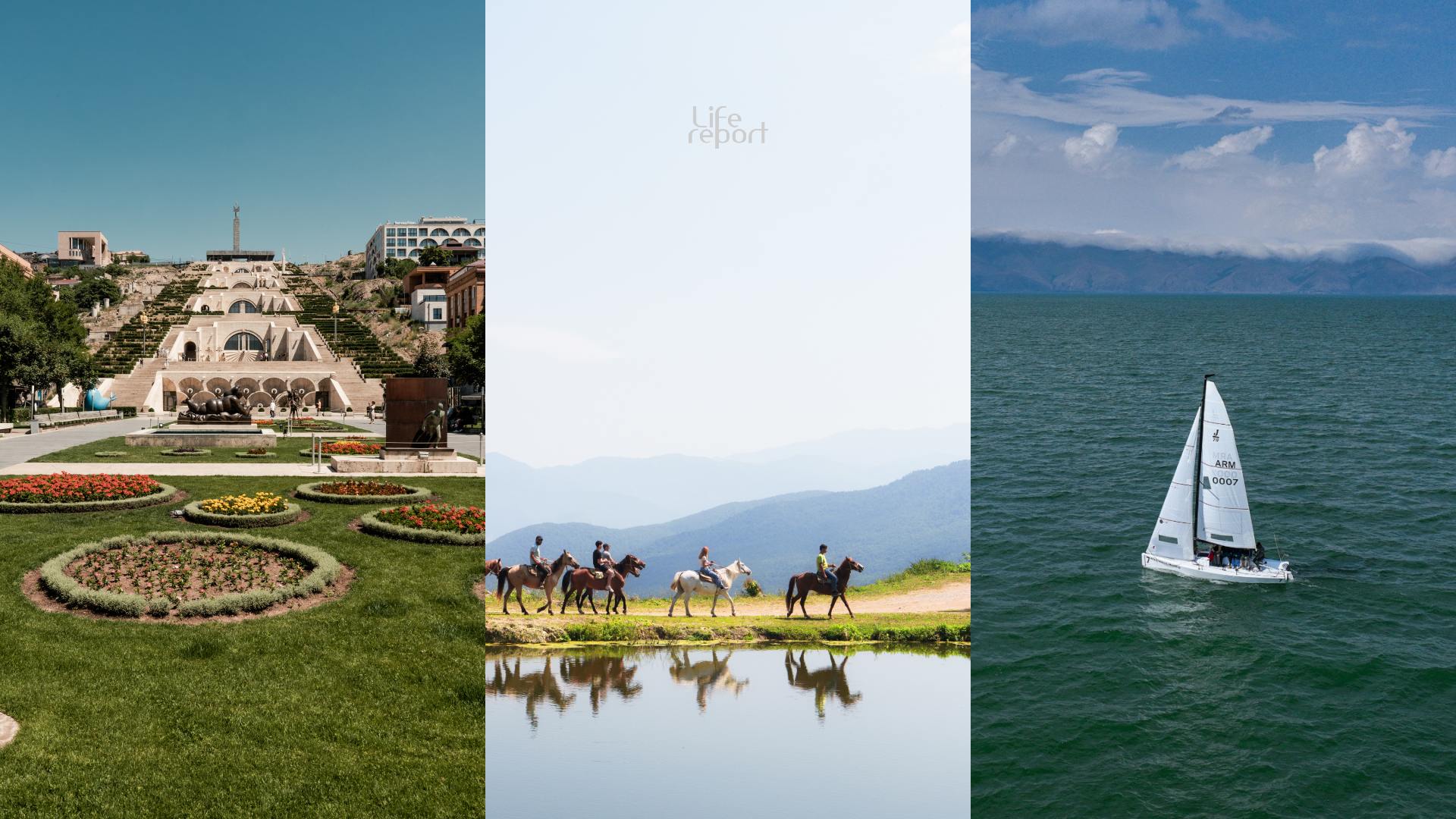
The proposition is disarmingly simple, which is perhaps why it resonates so profoundly with the urban cognoscenti of Dubai and Doha. One can begin the day with a flat white amid the café-lined boulevards of Yerevan, a city whose architecture is a palimpsest of pink tufa stone and burgeoning modernity. By the afternoon, one is among whispering pines and the stoic silence of centuries-old monasteries. And by evening, the scene shifts to the still, blue waters of a mountain lake, the air carrying a crispness that feels like a forgotten luxury. This is not merely a holiday; it is a recalibration of the senses. The landscape, dormant and snow-laden for months, fully opens between June and September, offering a verdant, oxygen-rich antidote to the Gulf’s arid summer.
Lake Sevan: The Alpine Riviera
At around 1,900 metres above sea level, Lake Sevan is the country’s irrefutable centrepiece – a vast freshwater expanse locally revered as the ‘blue pearl’. But to dismiss it as merely a scenic overlook would be a mistake. Sevan has quietly cultivated a scene that marries the adventurous with the urbane. The steady mountain breezes that sweep across its surface have made it an unlikely yet entirely logical destination for a new wave of sailing enthusiasts. Kayaks slice through the clear water, paddleboards glide past the 9th-century Sevanavank Monastery, and the air fills with the low thrum of a speedboat. It is a fluid, dynamic landscape. Around the shoreline, a growing collection of waterfront restaurants and minimalist-chic beach clubs offer the kind of leisurely, sun-drenched day for which Ibiza or Mykonos would demand a considerably longer flight. The difference here is the altitude, the ancient backdrop and the subtle, unpretentious cool that defines the Armenian character.
Beyond the Water: Culture, Cuisine and the Nocturnal City
The allure, however, extends far beyond the lake. For the Gen Z and millennial traveller seeking more than a sun lounger, Armenia offers a portfolio of experiences that feel both curated and authentic. Yerevan after dark is a revelation. As the heat of the day dissipates, the city’s café society emerges. The terraces around the Cascade Complex, a monumental staircase, become stages for conversation, the clinking of glasses and a palpable sense of cultural energy. The restaurant scene is rapidly evolving, moving beyond its traditional roots to offer something more experimental, from contemporary wine bars to fine-dining establishments that present Armenian terroir through a Nordic sensibility.
View this post on Instagram
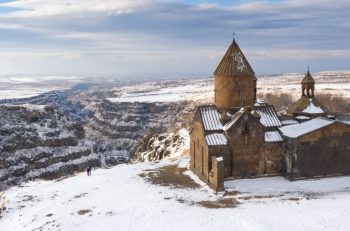
Elsewhere, the country unfolds like a film reel. The Hellenistic Temple of Garni, perched on a basalt cliff, speaks to a pre-Christian history that few associate with this region. The ochre walls of Noravank Monastery, framed by crimson rock, and the vertiginous approach to Tatev Monastery via the world’s longest reversible cableway are as visually arresting as any luxury-brand campaign. The Wings of Tatev cableway stretches 5,752 metres and holds a Guinness World Records title as the world’s longest reversible cableway. These are not ruins to be checked off a list; they are cinematic set pieces that invite contemplation.
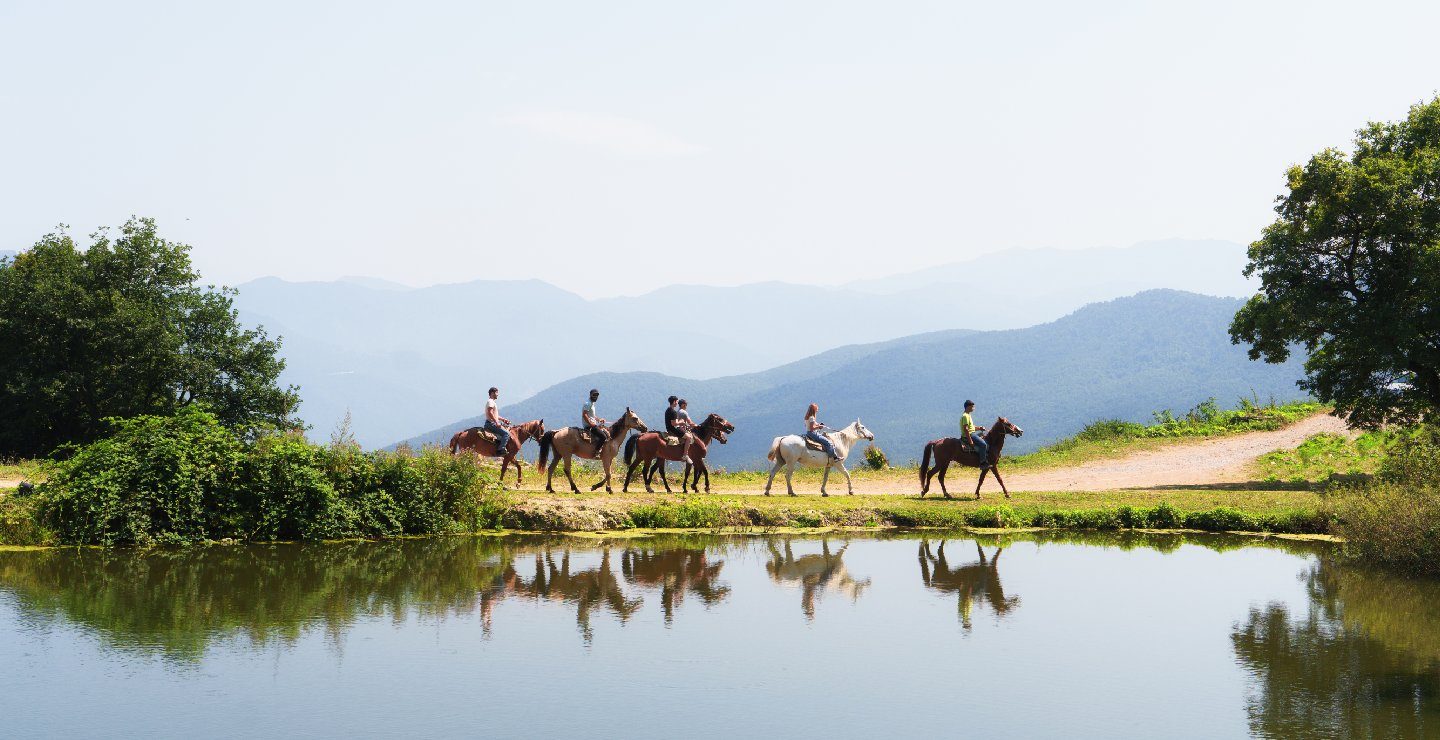
The mountains, too, call out. Dilijan National Park, often dubbed the ‘Switzerland of Armenia’, offers a landscape of forested trails and minimalist eco-lodges, a world away from the glass-and-steel confines of a city tower. And the food – this is the true soul of the place. Summer is a feast of apricots, the national fruit, alongside wild berries, fresh herbs and khorovats, the Armenian barbecue, served in countryside guesthouses with a hospitality that is both proud and gentle. It is a gastronomy rooted in the land, best enjoyed outdoors, with a glass of Areni wine in hand.
The Pragmatic Escape
For the Gulf traveller, the logistics can be remarkably seamless. Direct flights from Dubai, Sharjah, Abu Dhabi, Doha and Kuwait make Yerevan an accessible weekend escape, while visa arrangements depend on nationality and residency status. Armenia’s entry regulations for GCC residents and nationals can change, so travellers should check the current requirements before departure. It is a journey that provides a rare and increasingly valuable commodity: a change of climate that is both literal and psychological.
View this post on Instagram
As Lusine Gevorgyan, Chairperson of Armenia’s Tourism Committee, notes, ‘For Gulf travellers, Armenia answers a very specific summer need: somewhere close, cooler during peak season and rich in experiences.’ Gevorgyan currently serves as Chairperson of the Tourism Committee, a position confirmed by Armenia’s official tourism authority. She is right, of course, but it is more than that. In a world of homogenised luxury, Armenia offers a destination with a distinct point of view. It is a place where cool is not just a temperature reading; it is a state of mind. It is the alpine air, the ancient stone, the cerulean water and the feeling, however fleeting, that one has discovered a secret before the rest of the world catches on. And that, in itself, is the ultimate luxury.
ALSO READ: The Bilbao Blueprint: 10 Masterpieces You Need to See Before the Guggenheim Lands in Abu Dhabi