Our tastes are curated by prediction models, our desires flattened into data points in the world of algorithms. In this landscape of sterile digital perfection, the arrival of the Aston Martin Valiant feels less like a car launch and more like a cultural intervention. It is a gloriously inconvenient, unapologetically analogue masterpiece – a machine built not for the feed, but for the visceral, untranslatable thrill of the driven moment.
To witness the Valiant is to understand that Aston Martin is no longer merely manufacturing automobiles; it is curating a dialogue between heritage and the sharp edge of hyper-modernity. Limited to just 38 units worldwide and created through the marque’s bespoke Q by Aston Martin division, the Valiant is an ultra-exclusive, track-focused special edition born from a personal commission by Aston Martin Aramco Formula One Team driver Fernando Alonso. It is an object of profound desire, a monument to the notion that true luxury is not about ease, but about intensity.
The irony of the modern supercar is that it has become a spec-sheet shouting match, a race to zero that rarely translates into soul. The Valiant refuses this reductive game. Certainly, its numbers are impressive: 745 PS and 753 Nm of torque from a 5.2-litre twin-turbocharged V12, paired with a bespoke six-speed manual transmission. But to reduce this machine to statistics is to miss the point entirely. This is engineering as a form of emotional alchemy – a car conceived around the increasingly radical idea that the driver should remain at the centre of the experience.
The weight reduction is almost obsessive, achieved through an unapologetic use of exotic materials and motorsport-derived engineering. Lightweight 21-inch magnesium wheels reduce unsprung mass by 14 kg, while a magnesium torque tube saves 8.6 kg and a motorsport-specification lithium-ion battery saves a further 11.5 kg. A 3D-printed rear subframe removes another 3 kg without compromising stiffness. At the heart of the chassis are Multimatic Adaptive Spool Valve dampers, capable of switching between 32 discreet damper curves in less than six milliseconds. This is not a grand tourer in the traditional, sybaritic sense; it is a machine engineered to communicate.
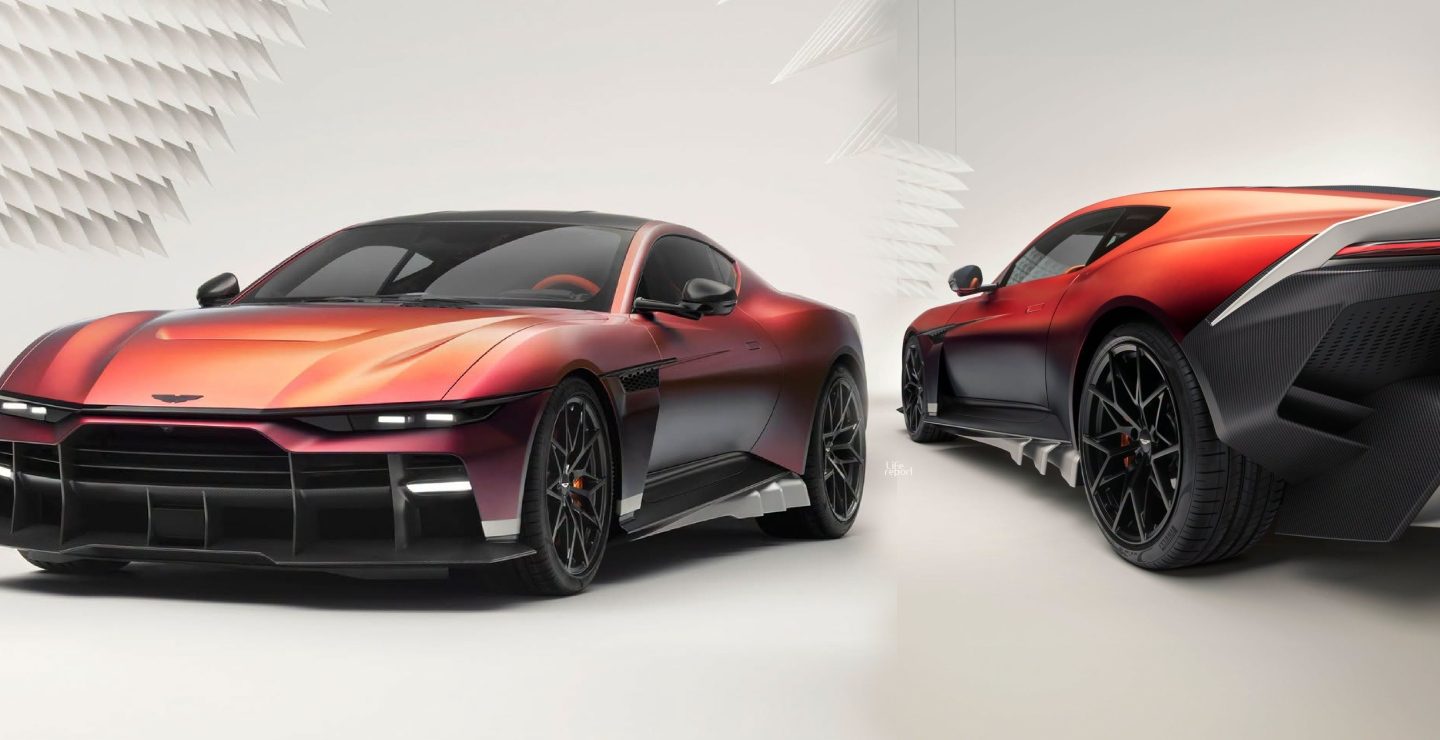
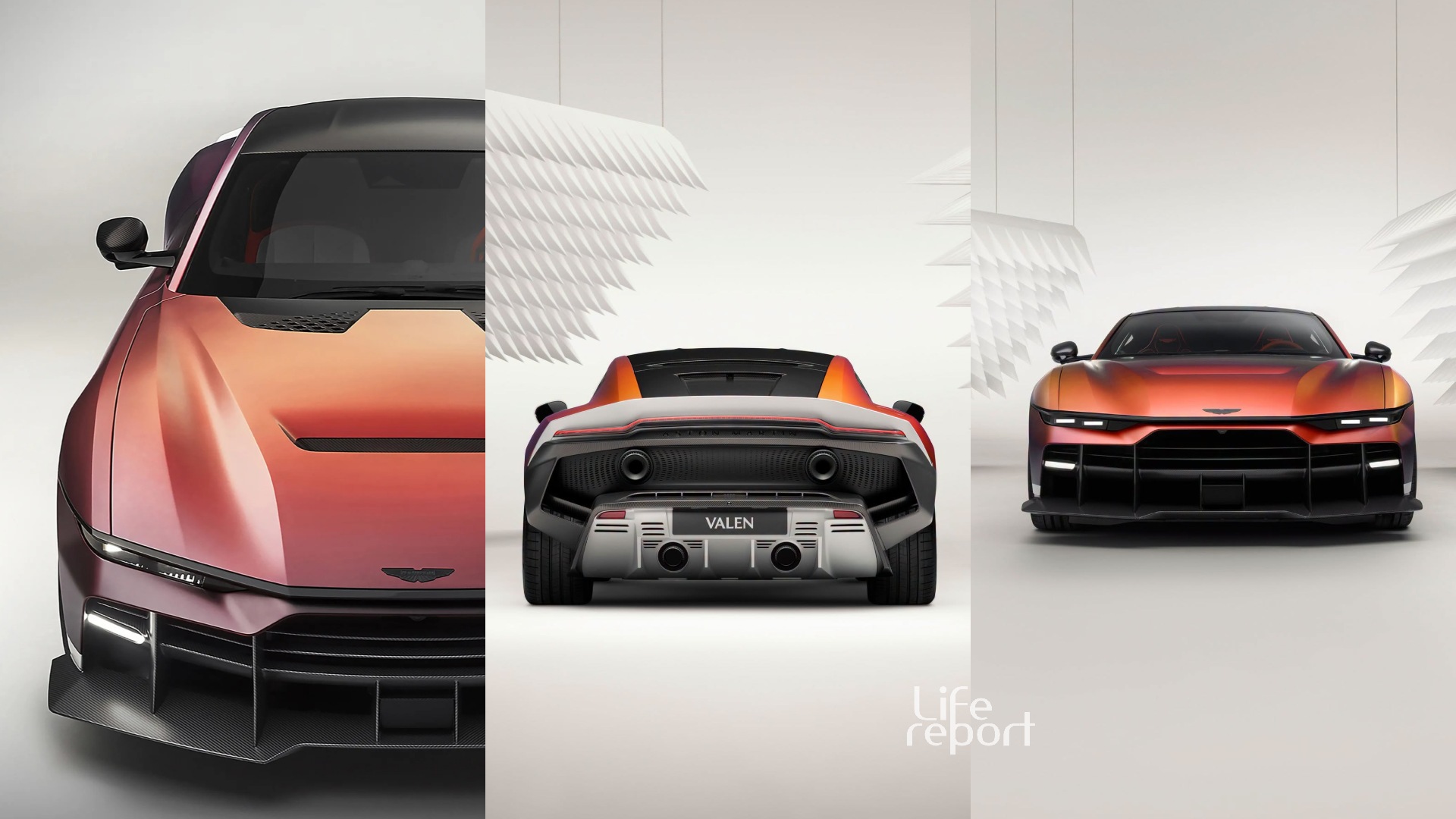
Visually, the Valiant is a deliberate act of aesthetic provocation. Its muscular carbon-fibre bodywork takes inspiration from the legendary 1980 RHAM/1 ‘Muncher’ Le Mans racer, translating the brutal visual language of a bygone racing era into something distinctly contemporary. Deep front splitters, sculpted side fenders, carbon-fibre aero discs and a prominent fixed rear wing give the car an almost confrontational presence. At the rear, a sharp Kamm tail and fixed one-piece clamshell frame a dramatic quad-exit titanium exhaust system. It is audacious, almost brutalist, yet retains the unmistakable confidence of an Aston Martin.
View this post on Instagram
And then there is the soundtrack. In an age when performance is increasingly filtered through software and electrification, the Valiant’s 745 PS V12 makes a gloriously old-fashioned argument for mechanical theatre. Its quad titanium exhausts are not merely functional components; they are part of the car’s visual and acoustic identity, celebrating the character of the internal-combustion engine at a moment when such experiences are becoming increasingly rare.
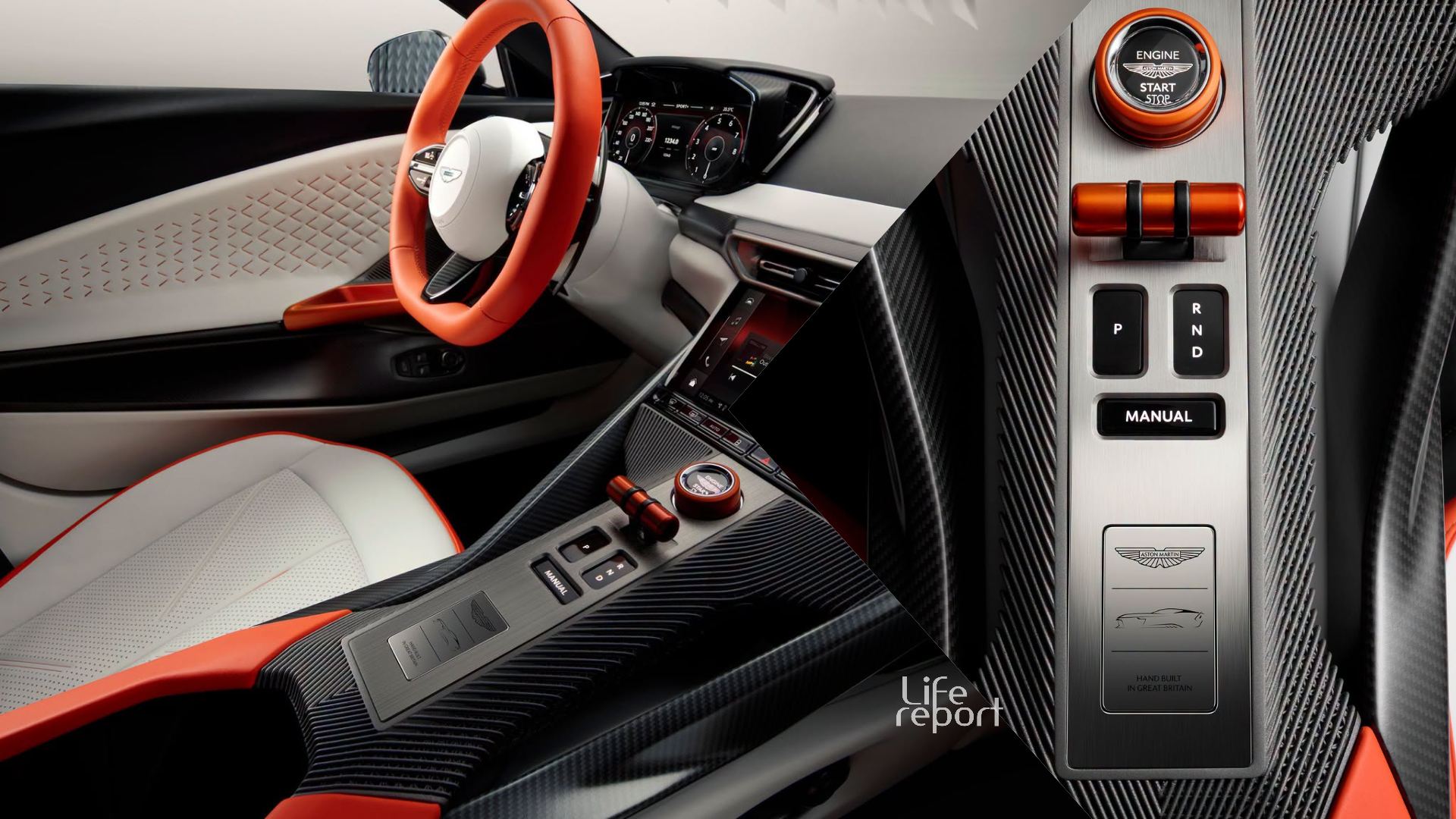
Inside, the cabin is an exercise in reductive luxury. The strictly two-seat cockpit is dominated by exposed satin-finish carbon fibre, lightweight upholstery and Alcantara, with every element seemingly designed to remove distraction and sharpen the relationship between driver and machine. The steering wheel is deliberately free of switches, while a cutaway in the transmission tunnel exposes the mechanical gear linkage running towards the six-speed transaxle. There is even a built-in half-cage as standard, together with Recaro Podium seats – an unusually uncompromising reminder that this Aston Martin was designed with serious track use in mind.
The customisation potential, as one expects from Q by Aston Martin, remains a defining part of the experience. Yet here, personalisation is not simply about selecting colours and materials; it is part of the philosophy behind the car itself. Q by Aston Martin created the Valiant as an intensely individual expression of performance, craftsmanship and the owner’s relationship with the machine. The result is something far removed from the increasingly homogenised world of digitally configured luxury.
In the context of Dubai, a city that appreciates the poetry of exclusivity and the theatre of arrival, the Valiant feels almost inevitable. It appeals to a generation of Millennials and Gen Z who have matured beyond the ostentatious vulgarity of the previous era, seeking instead artefacts with provenance, craftsmanship and a pulse. This is not a car for the passive observer. With its manual gearbox, physical controls and track-focused character, it is a machine that makes a compelling argument against the relentless march towards autonomous driving and ever more intrusive driver assistance. It is a beautiful, uncompromising and ferocious reminder that we are still, at our core, creatures of blood and adrenaline.
The Aston Martin Valiant is not merely another special edition. It is a thesis statement on the future of performance. In a world obsessed with accessibility, convenience and digital perfection, it demands involvement, patience and respect. Limited to just 38 examples, it may be one of the last great expressions of the analogue performance car – a V12, a manual gearbox and a driver with nowhere to hide. In an increasingly digital desert, that roar sounds less like nostalgia than rebellion.
ALSO READ: The Bilbao Blueprint: 10 Masterpieces You Need to See Before the Guggenheim Lands in Abu Dhabi