
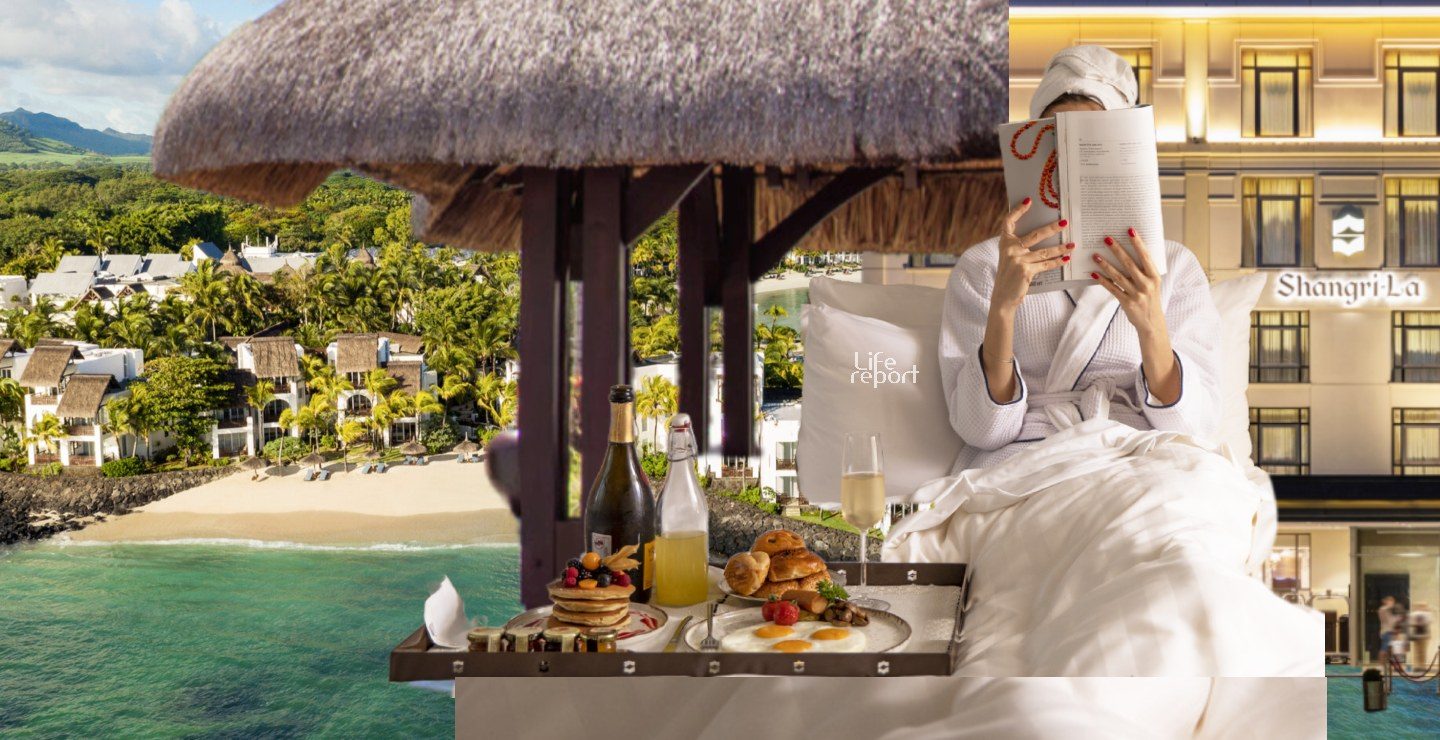
There was a time, not so long ago, when travel writing operated under a rather simplistic binary. You were either a city person – fuelled by the adrenal rush of traffic-choked boulevards and the smug satisfaction of knowing exactly where to find the city’s best natural wine bar – or you were a beach person, someone for whom the highest form of human achievement was the absence of Wi-Fi and the presence of a perfectly weighted cocktail umbrella. To be both was to be accused of indecisiveness, or worse, a lack of authentic identity. How terribly limiting that now seems.
In 2026, we have finally liberated ourselves from such prescriptive categorisations. According to new research from the Global Hotel Alliance, a staggering 65% of travellers now view their journeys not merely as holidays but as expressions of who they are. For nearly half of Gen Z, travel has come to matter more than career milestones – a quiet revolution in how we define achievement. Travel, it turns out, is no longer about simply going somewhere; it is about being someone. And that someone, if they are honest with themselves, is rarely content with just one flavour of experience.
Which brings us, rather elegantly, to the dilemma – and the solution – offered by two properties that could not, on the surface, be more different. In one corner, the languid, sun-bleached stillness of the Indian Ocean; in the other, the orchestrated chaos of a city that has spent millennia perfecting the art of seduction. The question is no longer where to go, but when you want to feel which version of yourself.
The Island Reimagined: Shangri-La Le Touessrok, Mauritius
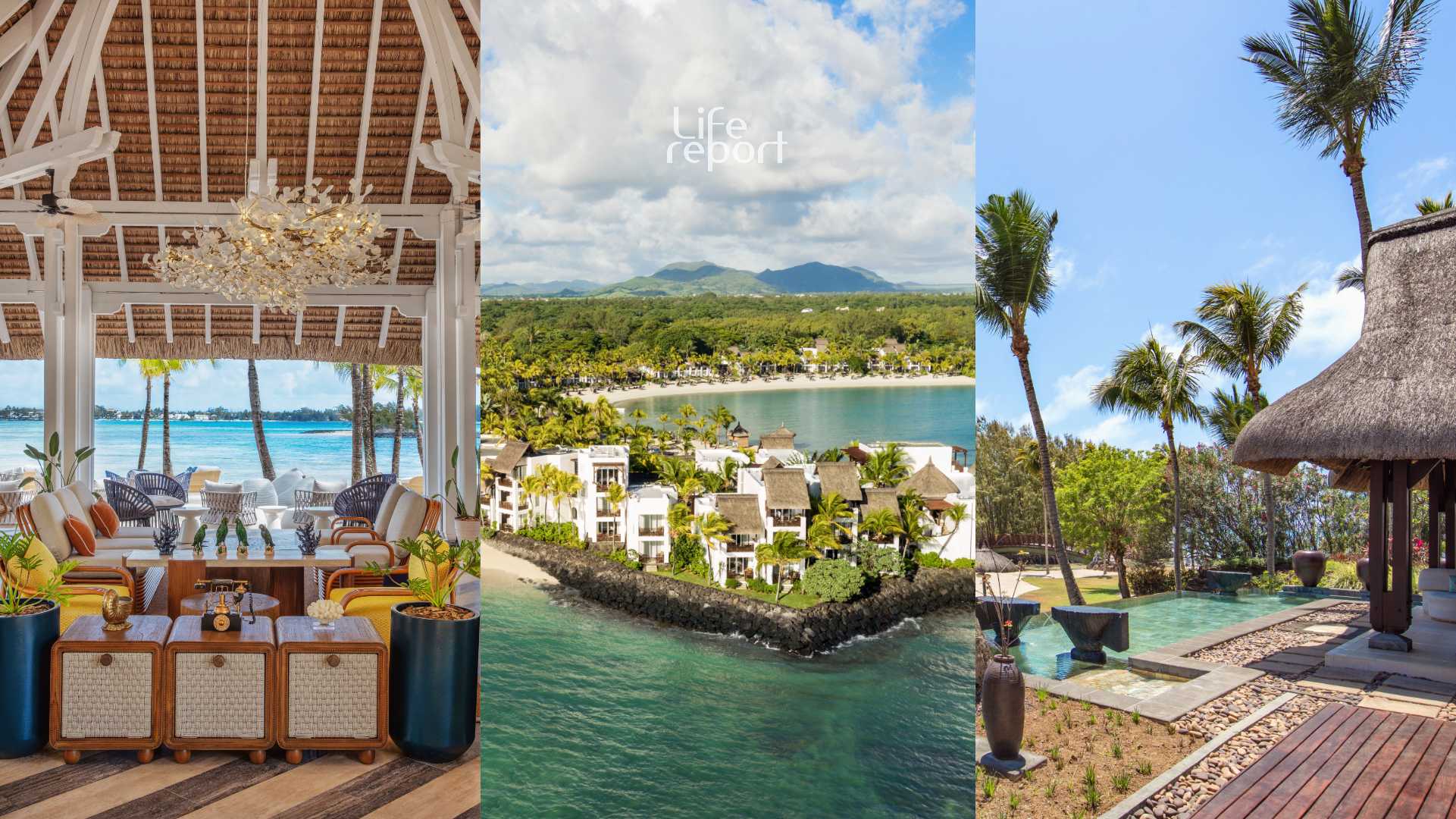
Let us begin with stillness. Mauritius, that emerald fragment adrift off Africa’s eastern coast, has long been the preferred retreat for those who understand that true luxury is measured in the ratio of sand grains to human beings. For UAE residents, it offers the added alchemy of being just a short flight away, with the bureaucratic courtesy of a visa on arrival – a detail that feels almost impossibly civilised in an era of travel friction.
Shangri-La Le Touessrok, tucked along the Trou d’Eau Douce Bay on the island’s eastern coast, has been the island’s most glamorous address for long enough to have accumulated a guest ledger that reads like a who’s who of 20th-century cultural cachet: Princess Stéphanie of Monaco, Catherine Deneuve, Whitney Houston and Nelson Mandela. It is the sort of place that does not need to boast about its legacy; it simply exists within it.
View this post on Instagram
What is notable, however, is that Le Touessrok refuses to rest on its considerable laurels. Following extensive renovations completed in late 2024 – a meticulous reimagining that touched all 185 rooms, suites and villas, as well as every dining venue – the resort has emerged not as a nostalgia trip but as a thoroughly contemporary sanctuary. The design language speaks in soft ocean tones and natural textures, the interiors channelling a sense of calm that feels less like a hotel and more like a particularly well-composed private residence, where someone has thoughtfully left the windows open to the Indian Ocean breeze.
The culinary offering has been equally refreshed. Five dining venues now weave a narrative of global gastronomy anchored by local authenticity. There is, of course, the requisite celebration of fresh seafood, but the real revelation lies in the details: Mauritian classics reinterpreted with a modern hand and, at Ilot Mangénie – the resort’s private island, reachable by a short shuttle boat – a rum-based cocktail programme that understands that the difference between a good beach drink and a great one is the conviction with which it is served. For those who track such things, the recent launch of Africa’s first Sun Club by Veuve Clicquot at Coco’s Beach House adds a splash of suitably effervescent branding to the proceedings.
For the guest whose identity refuses to be contained by a sun lounger, Le Touessrok offers a quiet subversion of the notion that island life is passive. Golfers will find themselves spoiled by access to two championship courses – the Bernhard Langer-designed Île aux Cerfs and the Ernie Els-designed Anahita – both of which offer the kind of ocean views that make even a mediocre swing feel inspired. Nature enthusiasts can kayak through mangrove forests or, in a gesture that feels pleasingly symbolic, plant a tree on the property that future generations will one day visit. And then there are the resident tortoises, along with a thriving bee population now numbering over 700,000 – a reminder that at this address, you are a guest in an ecosystem, not merely a consumer of it.
View this post on Instagram
The Bosphorus Reverie: Shangri-La Bosphorus, Istanbul
To leave Mauritius for Istanbul is to trade one form of immersion for another. Where the Indian Ocean demands a slowing of the pulse, the Bosphorus invites a quickening – a sense that, around every corner, history is waiting to stage an intervention.
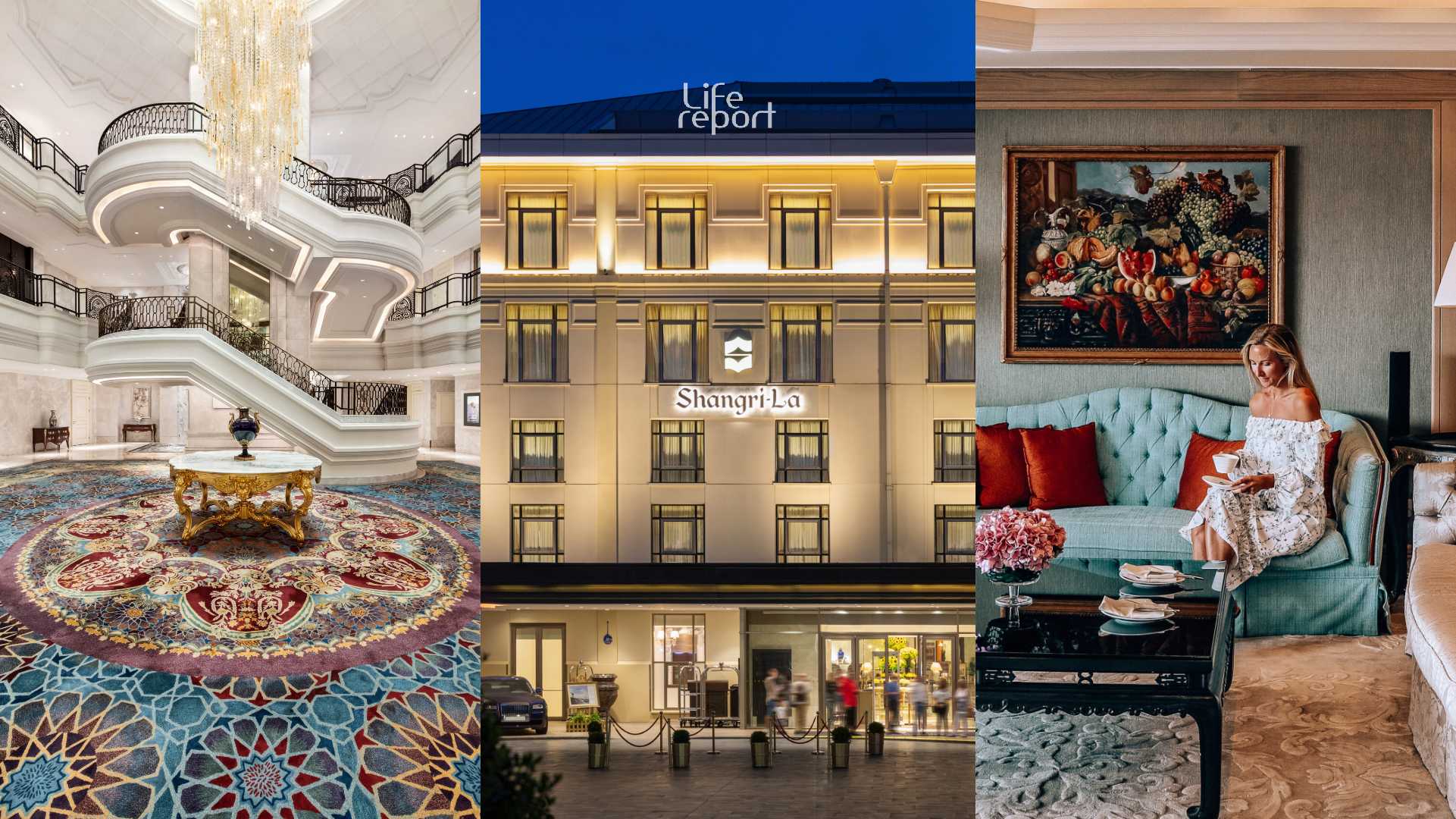
Shangri-La Bosphorus, Istanbul occupies a beautifully restored 1930s-era building, its Ottoman glamour evident in grand marble staircases and waterfront views that stretch from the Old Town to the Asian shore. The location is, in the jargon of real estate, unimprovable: moments from Dolmabahçe Palace, the Grand Bazaar and the Karaköy district, yet somehow managing to feel like a discreet sanctuary.
Inside, the guest rooms and suites rank among the most spacious in Istanbul – a detail that becomes increasingly significant after a day spent navigating the city’s labyrinthine streets. The interiors are a deft fusion: soft silks and elegant furnishings, with subtle Asian influences that nod to the Shangri-La sensibility without ever feeling transplanted. Floor-to-ceiling windows open onto panoramic Bosphorus views, framing a waterway that has witnessed the rise and fall of empires with the kind of composure that puts modern anxieties into perspective.
View this post on Instagram
The dining scene here is nothing less than a culinary tour of Asia Minor and beyond. IST TOO serves contemporary Asian flavours and sushi with the kind of precision that suggests the chefs are in a quiet competition with themselves. Shang Palace, meanwhile, has established itself as one of the city’s most celebrated Chinese restaurants – a bold claim in a metropolis where dining standards are nothing short of ruthless. For those who prefer their indulgence at a more civilised hour, the Lobby Lounge offers afternoon tea that feels less like a meal and more like a cultural negotiation, while Le Bar handles pre-dinner cocktails with the appropriate gravitas.
And then there is CHI, The Spa – a holistic wellness experience rooted in traditional Asian healing philosophies. In a city that never quite sleeps, the Turkish hammam within CHI becomes a necessary counterpoint: a space where heat and steam perform their ancient alchemy, dissolving the accumulated intensity of the day.
The Art of Not Choosing
What ties these two disparate properties together – beyond the Shangri-La thread that runs through them – is a recognition that the modern traveller is no longer willing to be typecast. The 2026 data from GHA DISCOVERY confirms what many of us have suspected: we are in the era of the “selective splurge”, where 79% of travellers prefer to spend thoughtfully on quality upgrades rather than indulge in indiscriminate excess. Luxury has become less about conspicuous consumption and more about knowing exactly what matters – and refusing to compromise on those things.
For travellers from the UAE and Saudi Arabia, this trend is particularly pronounced. According to Marriott Bonvoy’s 2026 Ticket to Travel Report, over 80% of younger travellers in the region plan to increase their holiday trips in the coming year, with a particular appetite for what the report terms “lux-scaping” – booking high-end experiences at the beginning or end of a trip as a way of framing the journey. It is, one might argue, a form of narrative control: we may not be able to dictate the plot of our lives, but we can certainly choose the punctuation.
The Shangri-La properties in Mauritius and Istanbul understand this implicitly. They do not demand that you choose between adventure and relaxation, between cultural immersion and sensory escape. Instead, they offer the freedom to move between these states – to spend the morning kayaking through mangroves and the afternoon being ministered to by sand butlers on a private island; to lose yourself in the Grand Bazaar and then retreat to a suite where the Bosphorus provides a steady, meditative presence.
The Verdict
There is a certain irony, of course, in framing the refusal to choose as a luxury. In most aspects of modern life, indecision is a source of anxiety, a sign of insufficient data or flawed priorities. But travel, as we are rediscovering, operates by its own logic. It is the one arena where we are permitted – encouraged, even – to be multiple selves: the adventurer, the hedonist, the contemplative, the epicurean. The question is not which of these selves is the “real” one, but which one you feel like being today.
At Shangri-La Le Touessrok, Mauritius, that might mean waking to the sound of waves and spending the day doing nothing more ambitious than moving from beach to pool to private island, allowing the Indian Ocean to recalibrate your internal clock. At Shangri-La Bosphorus, Istanbul, it might mean throwing yourself into the city’s glorious chaos, emerging at dusk to find that your suite has been turned down and the Bosphorus is putting on a light show that rivals anything in the city’s galleries.
Both, it turns out, are entirely valid. Both, in their own way, are essential. The only mistake would be to think you have to choose.


