
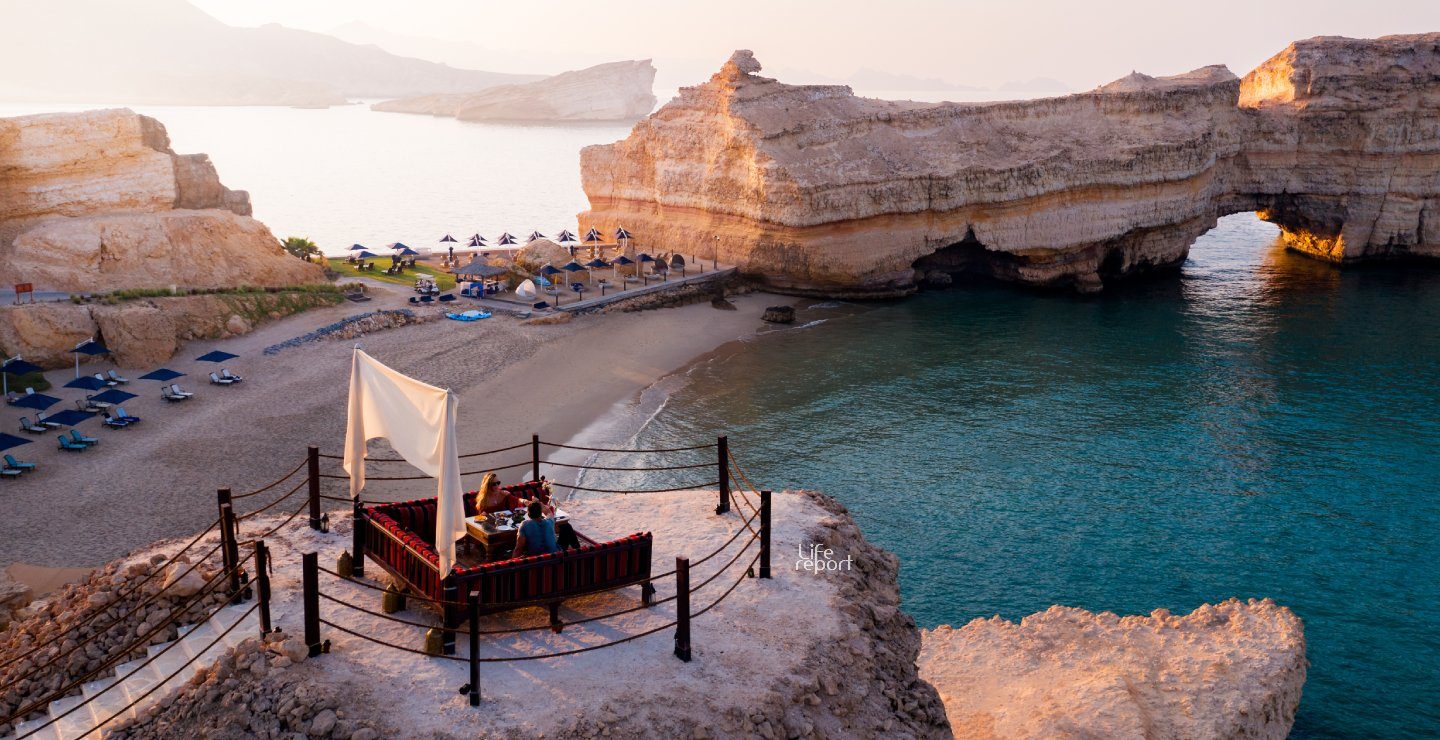
There comes a point in every discerning traveller’s trajectory – somewhere between the fourth aggressively “curated” poolside DJ set and the realisation that your “wellness shot” tastes suspiciously like an HR meeting – when the very concept of luxury demands a retraction. Not a retreat, but a tactical withdrawal.
And if you, like me, have found the cacophony of the Gulf’s see-and-be-seen circuit growing tiresome, may I propose a quiet rebellion: the coastal hinterlands of Oman, where the Hajar Mountains plunge into the Indian Ocean and the only thing screaming for attention is the geometry of an arabesque arch. Specifically, the Al Husn Hotel Muscat.
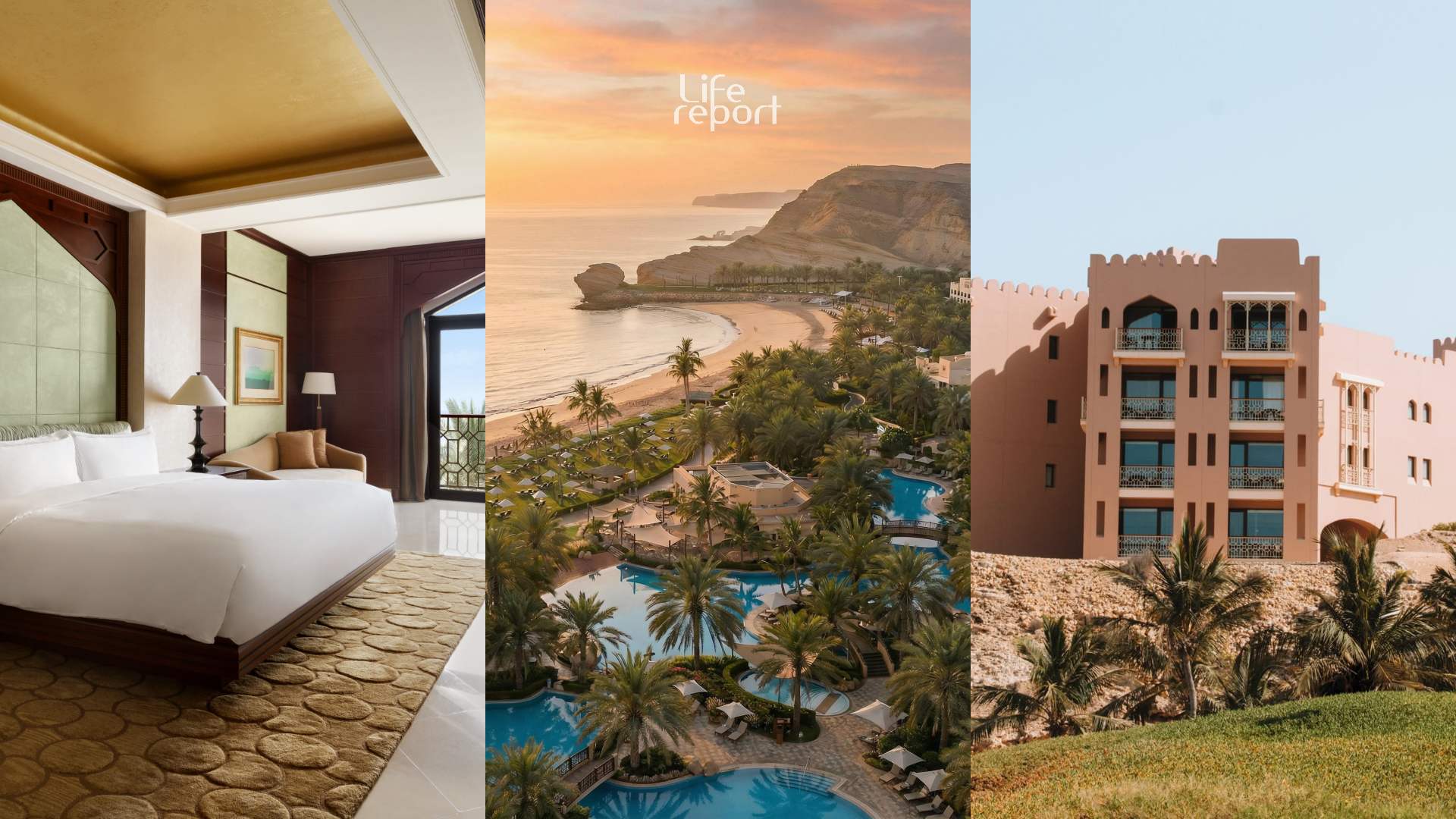
Perched on the sandstone cliffs of Barr Al Jissah, this is not merely a hotel but a fortified daydream. “Al Husn” translates to “The Castle”, and the property wastes no time in establishing its aesthetic thesis. The approach is a masterclass in understatement, its fortress-like silhouette evoking a time when architecture was more concerned with deflecting invasions than accruing Instagram geotags. Step inside, and the narrative deepens with a subtle, cross-continental intelligence: carved teak doors bearing the quiet swagger of Zanzibari and Indian craftsmanship; delicate mashrabiya screens that transform the desert sun into a languid, dappled language; and lotus rosettes that seem to bloom with a knowing, inherited wealth. It is the kind of place that makes you want to delete “wanderlust” from your vocabulary and simply pay attention.
The Transition of an Icon: From Shangri-La to Hilton’s Quiet Crown Jewel
To the uninitiated, Al Husn is a study in serene, adults-only seclusion. To those of us who track the tectonic plates of luxury hospitality as avidly as a watch collector tracks Geneva Seal tolerances, this property represents a fascinating pivot point. For two decades, this coastline was the domain of Shangri-La, a tenure that endowed the place with a certain gilded, pan-Asian comfort. However, as of January 2026, the resort has been absorbed into the Hilton universe – a move that, depending on your cynicism regarding corporate hotel brands, either signals the end of boutique charm or the most astute infrastructure play in Oman’s Vision 2040.
View this post on Instagram
Fear not, purists. The Zubair family, who own the sprawling 124-acre development, have not ceded the soul of the place; they have merely given it a more efficient digital skeleton. The transition has been, by all accounts, seamless – an exercise in continuity and enhancement, leveraging Hilton’s 226-million-member Honors programme without sacrificing the intimate, butler-led choreography that defines the Al Husn experience. And for those who dream in the key of Waldorf Astoria, take note: the property is slated for an extensive renovation and subsequent rebranding as Waldorf Astoria Muscat Al Husn in 2027. Consider this a farewell tour to the Al Husn name before it dons the cloak of a global legacy brand.
The Unbearable Lightness of Butler-Led Being
In an era where luxury is too often a performative exercise in emailing a “Guest Relations Manager” who is clearly just a well-trained algorithm in a blazer, Al Husn resurrects a more elegant form of mind-reading. The service here operates on a principle of benign omniscience. It is intuitive without being intrusive – a vanishing act that leaves you with exactly what you wanted approximately thirty seconds before you realised you wanted it. This is, after all, a place where rooms – among the largest in the Sultanate, at an average of 48 square metres – come as standard with butler service, a daily replenished complimentary minibar (a small but significant moral victory against the tyranny of the $12 Diet Coke), and Bose speakers for those who travel with a curated selection of Chet Baker and Agnes Obel.
The architectural dialogue with the elements is seamless. Out front, the infinity pool is a shimmering blue paradox, so perfectly stitched into the horizon that you half expect to swim into the Gulf of Oman. Yet the true seduction lies in the private cove, tucked beneath the storied Muscat Arch. This natural rock formation, glowing amber and rose at sunset, acts as a geological proscenium, framing sea and sky with theatrical finality. It is the sort of secluded spot where marriage proposals are not merely accepted but feel almost geographically inevitable.
Frankincense, Turtles, and the Art of Being Earthbound
Luxury in Muscat is inextricably linked to the aroma of luban – frankincense. You smell it in the lobby before you see it lingering in the air. Al Husn houses Oman’s first frankincense-focused spa, a sanctuary where the ancient resin is deployed not as a kitsch cultural prop but as a legitimate vehicle for myofascial release. The Wahiba Golden Sand massage, a signature ritual, harnesses the antimicrobial and restorative properties of the oil, kneading away the existential residue of a long-haul flight with a technique that is both primal and profoundly precise. It is a far cry from the “bespoke scented candle” approach favoured by lesser resorts; this is aromatherapy with archaeological gravitas.
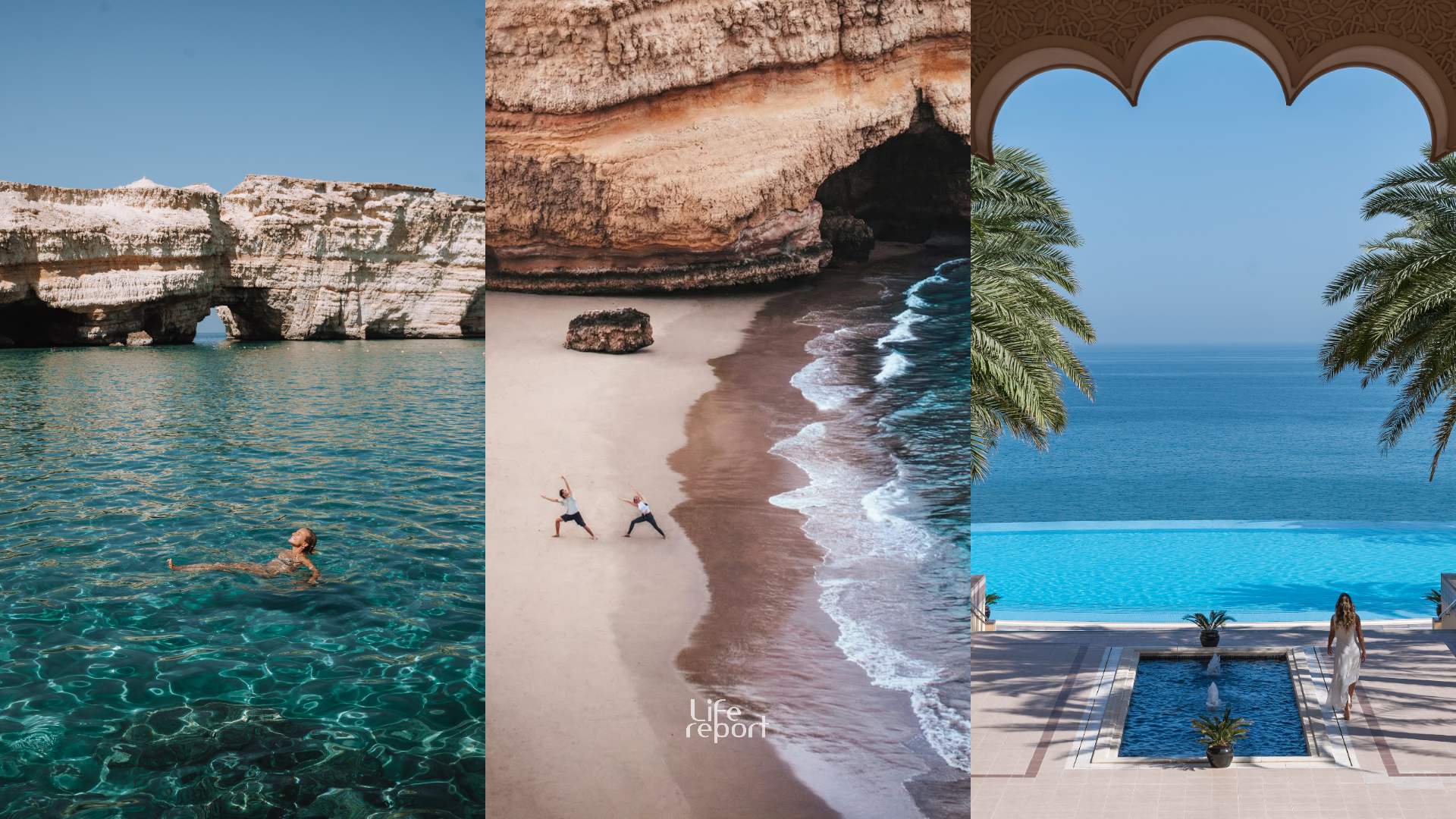
Yet the deepest connection to place occurs after dark, far from the amber glow of mashrabiya lamps. The shoreline beneath the cliffs is a protected nesting ground for green and hawksbill turtles – a quiet miracle of instinct and endurance. The resort’s dedicated turtle ranger orchestrates these nocturnal encounters with the solemnity of a naturalist and the discretion of a diplomat. Watching a clutch of hatchlings scramble towards the moonlit Arabian Sea – a tiny, frantic pilgrimage towards an uncertain future – is the sort of experience that recalibrates your internal compass. It is a reminder that, for all our obsessions with Michelin stars and thread counts, the planet is still staging its most spectacular performances free of charge. For those who prefer their wildlife sightings with a touch more cetacean grace, the private marina can arrange a traditional dhow or a sleek yacht for dolphin watching and snorkelling around the Daymaniyat Islands – a marine reserve so pristine it may yet restore your faith in environmental custodianship.
A Cultural Coda: From Opera to Oud
The geography of Al Husn is deceptive. It feels like the edge of the world – a blissful 45-minute exile from the industrial hum of Muscat International Airport. Yet the cultural weight of the city remains tantalisingly close: a 15-minute drive to the labyrinthine alleys of Muttrah Souq, where the scent of silver and oud hangs thick in the air. For the culturally omnivorous, the Royal Opera House Muscat (ROHM) is currently in the midst of its 2025–2026 season, a programme that exemplifies the Sultanate’s soft-power ambitions. Running through May 2026, it features over 50 performances, ranging from the world premiere of the Arabic-language grand opéra Sindbad: The Omani Sailor – a collaboration with Müpa Budapest that reimagines the legendary traveller as a homegrown hero – to Puccini’s Tosca and the family-friendly spectacle of Cinderella on Ice. It is the kind of cultural offering that pairs exquisitely with a post-performance nightcap back at Al Husn’s bar, where live traditional music provides a more intimate, unplugged counterpoint to the evening’s arias.
View this post on Instagram
For travellers whose ambitions extend beyond the chaise longue, the wider Barr Al Jissah development offers a kind of choose-your-own adventure. One might drift along the 500-metre lazy river, indulge in a game of tennis, or surrender to the gleefully anachronistic pleasure of a camel ride along the surf. Yet the true luxury of Al Husn is the permission it grants you to do none of these things. It is a place of deep, restorative idleness – a rare indulgence in an age of performative productivity.
The Escape Clause: Until June 2026
As we navigate the final weeks of spring, Al Husn offers a rare alignment of serenity and value. For those seeking a seaside escape during Eid or beyond, the property is extending savings of up to 15% off the Best Available Rate, with Hilton Honors members enjoying a generous 20% discount, alongside flexible cancellation policies for those who, like me, find commitment to a plane ticket a weekly existential negotiation. This offer holds until June 2026, providing a generous window to plot your descent into a world where the loudest sound is the crackle of frankincense resin in a burner or the distant sigh of the Gulf.
This is not merely a hotel stay; it is an exercise in editing one’s life. A place to breathe, reconnect, and remember that the most profound luxury is not a branded amenity, but a view of the ocean with no one in it.
Also read: The Clash Heard Round the World (Or, How Cartier Learned to Stop Worrying and Love the Noise)


