There comes a moment in every Dubai resident’s life – usually around the third consecutive Saturday of bottomless brunches and valet parking standoffs – when the city’s glitter begins to feel less like glamour and more like glare. You crave salt in your hair rather than dust on your dashboard. You want a horizon line uninterrupted by cranes. You want, dare I say, space.
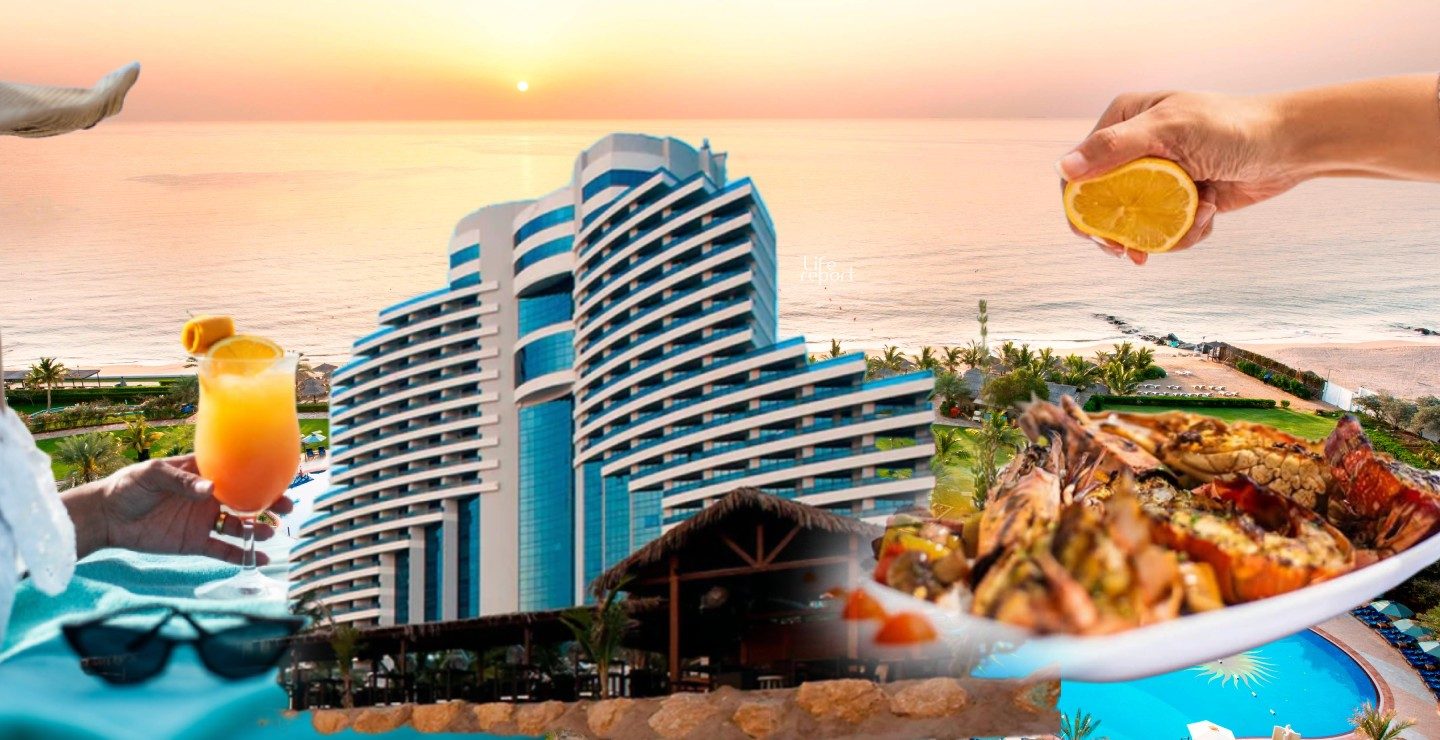
The answer, as it has been for discerning Emirati families and in-the-know expats for decades, lies two hours east, where the Hajar Mountains tumble dramatically into the Indian Ocean. But here’s the plot twist: Le Méridien Al Aqah Beach Resort, that reliable stalwart of Fujairah’s coastline, has just pulled off a quiet glow-up that warrants a second look – or, for the uninitiated, a first impression that will ruin you for other weekend getaways.
The Art of Arrival
The drive itself is the overture. As Dubai’s tower blocks shrink in your rear-view mirror, replaced by the russet and ochre striations of the Hajar range, something in your chest loosens. By the time you are winding through the final passes, with the Gulf of Oman winking at you from below, you have already transitioned from stressed professional to something resembling a human being.
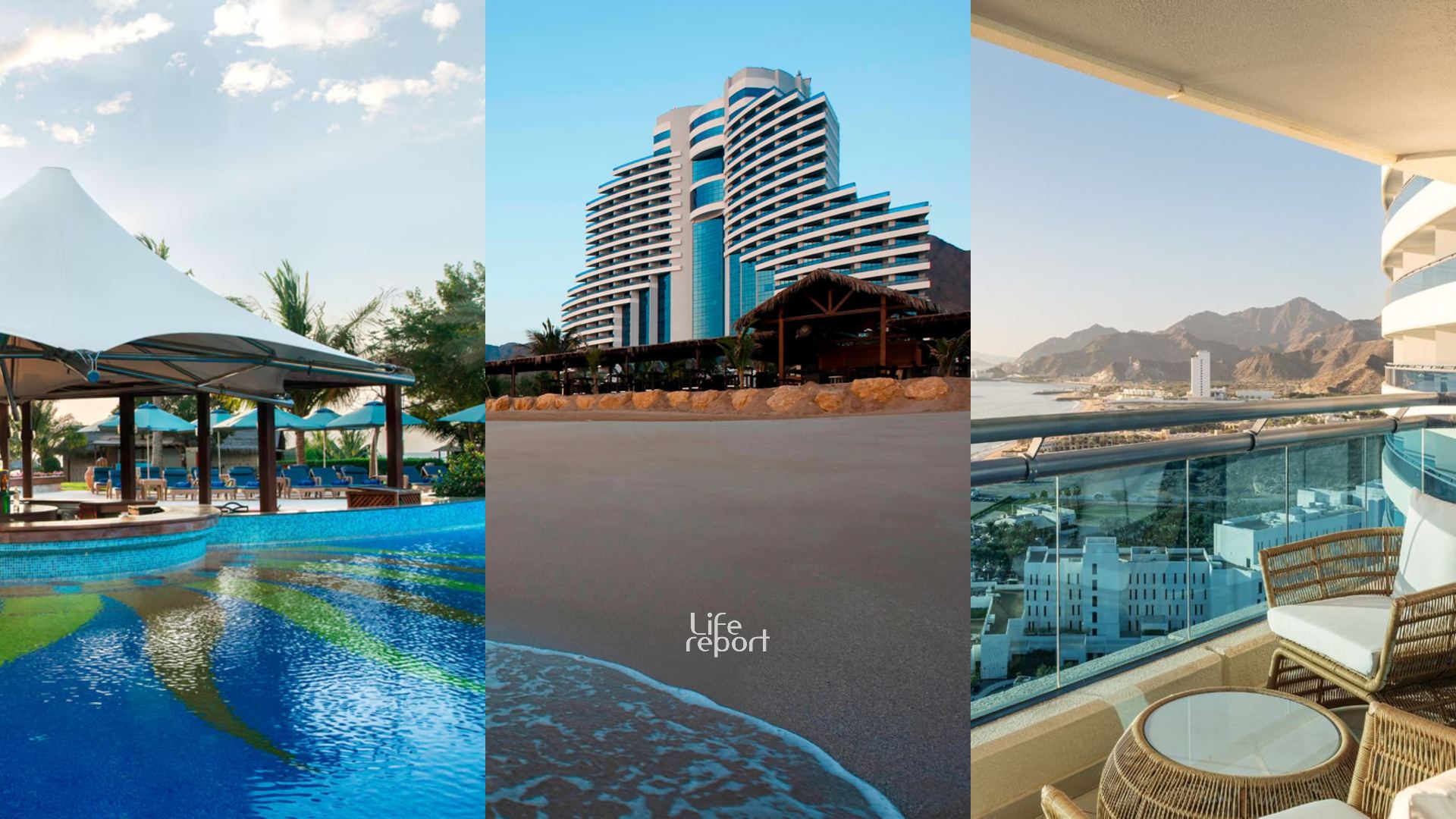
The resort, when it emerges, has the good sense not to compete with its setting. The architecture defers to the mountains; the palette borrows from the sea. Step inside, however, and you will notice the difference immediately. That $6.8 million renovation – whispered about in hospitality circles, now very much a tactile reality – has been deployed with a decorator’s precision rather than a developer’s brute force.
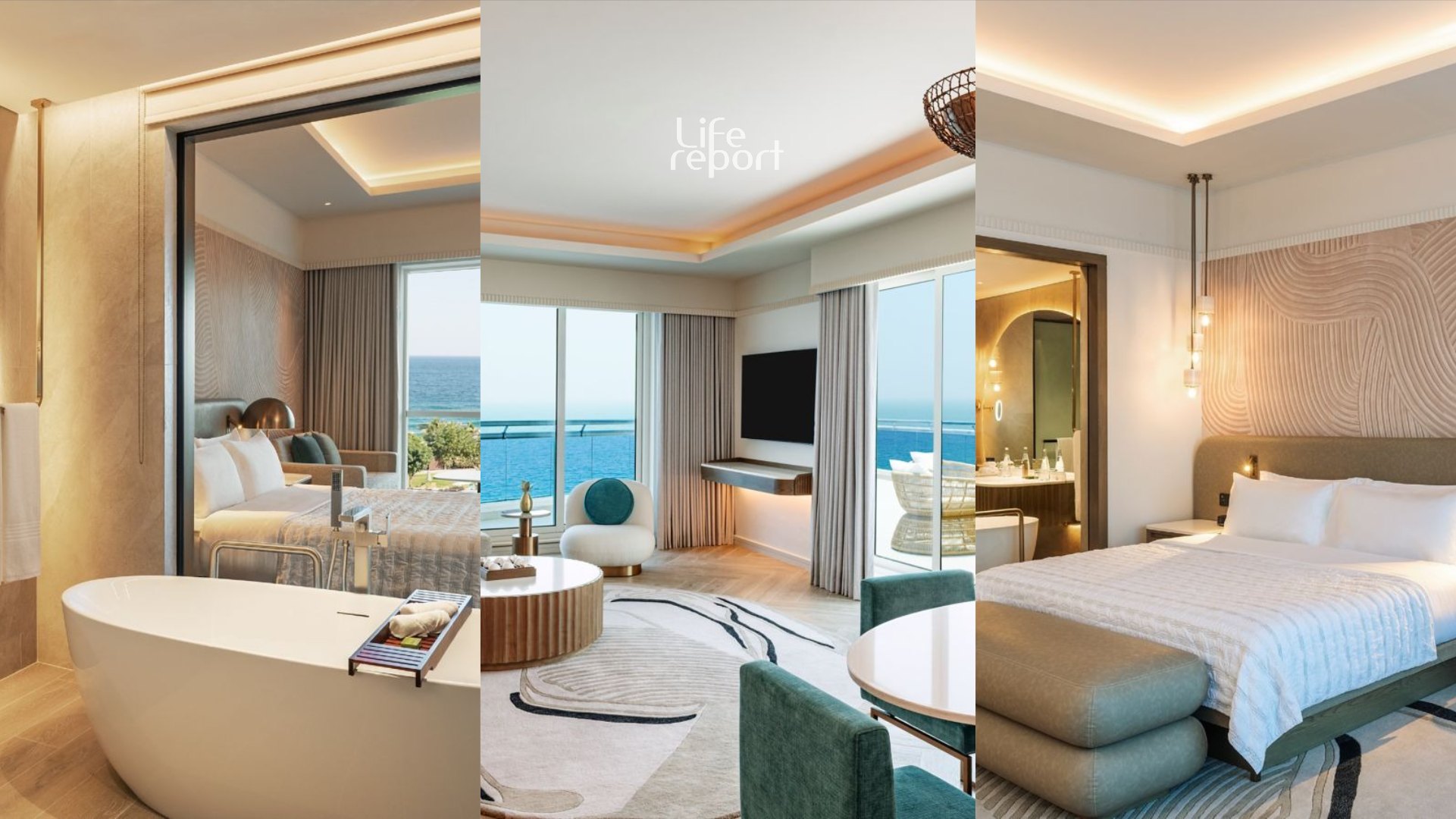
The rooms, particularly the newly minted Deluxe Sea View and Superior Sea View categories, now read like a love letter to their surroundings. Someone clever has understood that when you have the Indian Ocean as your neighbour, you do not shout over it. The new design speaks in calming turquoise and azure tones that mirror the water beyond your window, while warm wood and textural stone elements echo the rugged mountains at your back. It is, in the best possible way, a room that knows when to be quiet and let the view do the talking.
View this post on Instagram
The Architecture of Indulgence
One does not simply “visit” a resort of this calibre. One inhabits it. And inhabitation, as any half-decent interior designer will tell you, is about flow. The resort’s pièce de résistance – and forgive the French, but some luxuries demand it – is the swimming pool. We are not talking about a postage-stamp plunge pool where you are more likely to elbow a stranger than complete a lap. This is, by official count, the largest free-form swimming pool on the East Coast. It meanders, it invites, it surprises. The Baywatch Pool Bar sits at its centre like a mirage, dispensing handcrafted cocktails to swimmers who have earned them through the gruelling work of floating.
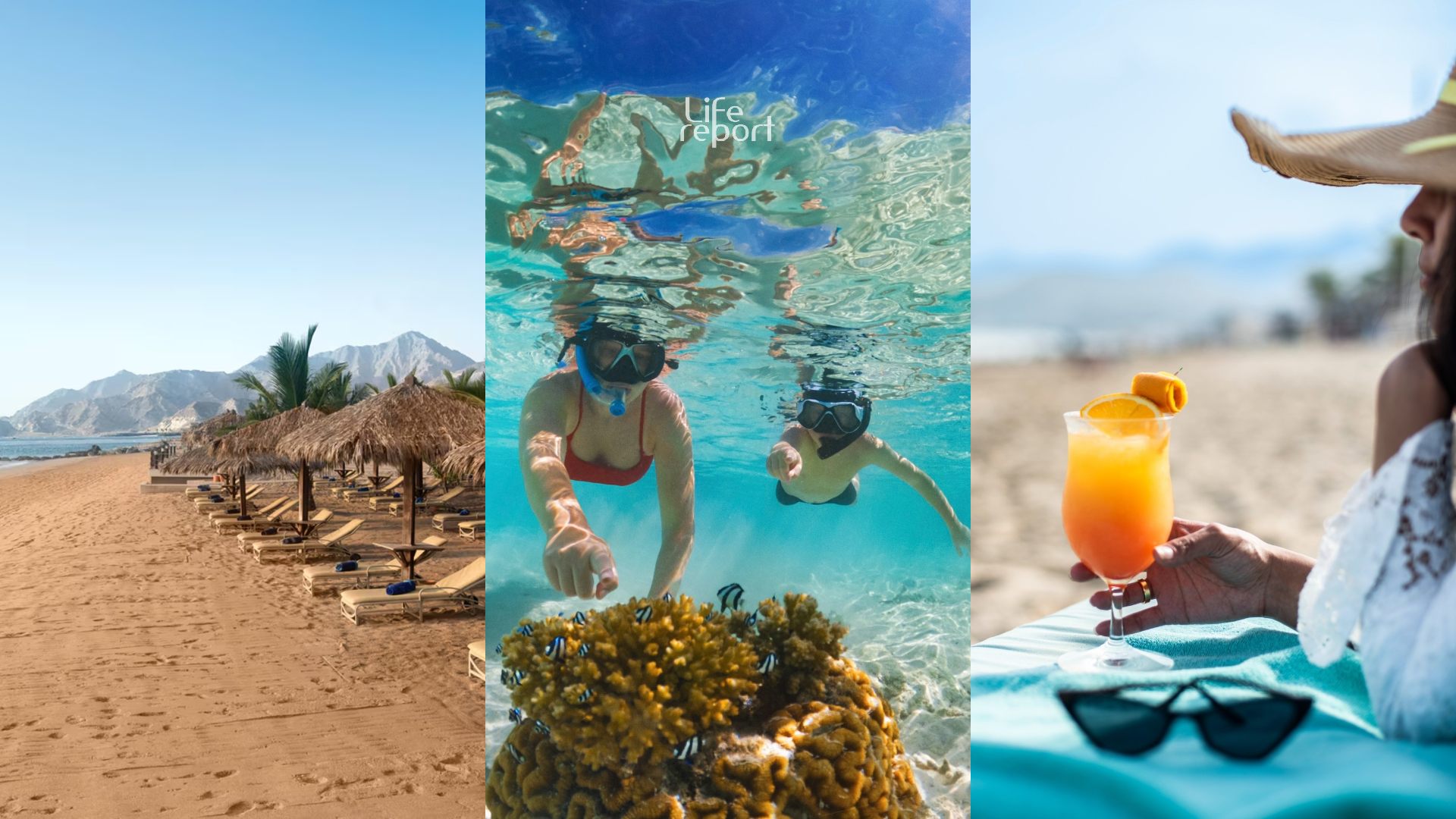
For those who prefer their water with a side of salt, the private beach stretches along the coast, with the sort of golden sand that makes you understand why the Portuguese navigators became so excited about this coastline five centuries ago. The palapas – those thatched-roof cabanas that suggest Gilligan’s Island redesigned by Aman – offer shade for the sun-averse and a front-row seat to the evening’s main event: the sun collapsing into the ocean with theatrical grandeur.
A Culinary Passport (No Visa Required)
The truly civilised know that variety is the spice of life, but consistency is its butter. Le Méridien’s eight dining outlets collectively argue that you need never eat the same cuisine twice in a weekend, yet never suffer a disappointing meal.
At Sapore, the Italian restaurant, someone has clearly spent time in the old country. The pasta does not merely sit on the plate; it belongs there. The view of the landscaped gardens, visible from the air-conditioned dining room or the terrace – depending on your tolerance for humidity – provides a backdrop that would make a Milanese restaurateur nod with approval.
Gonu Bar & Grill, perched on the shore, understands something fundamental about seafood: it tastes better when you can hear the waves. The grill selection – kebabs, steaks, the catch of the day – arrives with the sort of smoky char that suggests open flames and serious intent. It is the kind of place where a long lunch can become sunset, which can become dinner, with no one rushing you because, frankly, where would they rush you to?
But the real discovery, for those who fancy themselves culinary adventurers, is Taste. Here, Thai and Indian cuisines coexist in stylish harmony, the kitchen navigating the spice routes with confidence. The licensed bar means your mango lassi can keep more grown-up company, and during the mercifully cooler months, the al fresco seating transforms dinner into an event.
For the all-inclusive devotees – and let us not pretend otherwise, there is a particular liberation in not watching the bill accumulate with every gin and tonic – the package is remarkably comprehensive. Selected premium spirits, wines by the glass, and soft drinks flow from 10 am until midnight across multiple outlets. There is even an ice cream window for the under-12s at Baywatch Bar, a detail that suggests the management has either raised children or employs people who have.
View this post on Instagram
The Family Question, Addressed with Wit
Here is where the irony-laden singleton in all of us must pause and acknowledge a truth: family resorts are rarely this bearable. The Penguin Kids’ Club, open to ages four to sixteen, occupies a private clubhouse that has clearly been designed by people who understand that children need stimulation and parents need a break. Mini-golf, face painting, pirate days, a children’s disco – the activities read like a summer camp brochure written by someone who genuinely enjoys children.
The Deluxe Family Room deserves particular mention. Accommodating two adults and up to three children under twelve, it manages the spatial gymnastics of family life without feeling like a game of Tetris. Twin beds with double-size mattresses, a versatile sofa, and enough floor space to prevent the 6 am toy avalanche from tripping the 6:01 am coffee-seeking parent.
Beyond the Beach: The Call of the East Coast
A resort this complete could be forgiven for encouraging you never to leave. But the surroundings demand exploration with the gentle insistence of a well-mannered host. Ten minutes by car, and you have travelled back centuries. The Al Badiyah Mosque, the oldest in the UAE, sits quietly against the landscape, its four-domed structure a testament to the region’s deep cultural roots. Archaeologists place it at over 400 years old, and standing before it, you feel the weight of those centuries in a way that no museum exhibit can replicate.
For the active set, the PADI diving centre on the beach opens access to coral reefs that attract marine biologists and Instagrammers in equal measure. The waters off Fujairah harbour some of the region’s most diverse marine life, and whether you are a certified diver or a tentative snorkeller, the underwater world here rivals anything you would queue for in the Maldives.
The Verdict
Le Méridien Al Aqah Beach Resort has accomplished something quietly remarkable. It has refreshed itself without losing its soul. The $6.8 million renovation has not chased trends; it has refined what worked and elevated what did not. The result is a resort that feels current without feeling temporary, luxurious without feeling precious.
For Dubai’s generation of young professionals and young families – those who want their weekends to feel like escapes rather than expenditures – it offers something increasingly rare: genuine value wrapped in authentic experience. The “Kids Go Free” programme, the breakfast inclusion, the spa savings – these are not marketing gimmicks. They are acknowledgements that true luxury is not about how much you spend, but about how little you have to think about spending. Pack your bags. Point your car east. And prepare to exhale.