The most dangerous thing in your skin is not the sun. It is not the late nights, the airport air, or the particular cruelty of a Dubai summer that turns every outdoor errand into a negotiation with thermodynamics. The most dangerous thing in your skin, at least according to an increasingly influential strand of ageing research, may be a cell that refuses to die. It lingers in the dermis like a guest who has overstayed every conceivable welcome – metabolically active, damaged and quietly disruptive. Senescent cells can release a range of inflammatory and tissue-altering signals, collectively known as the senescence-associated secretory phenotype, or SASP, which can affect surrounding cells and the extracellular matrix. Researchers sometimes refer to them more vividly as “zombie cells”.
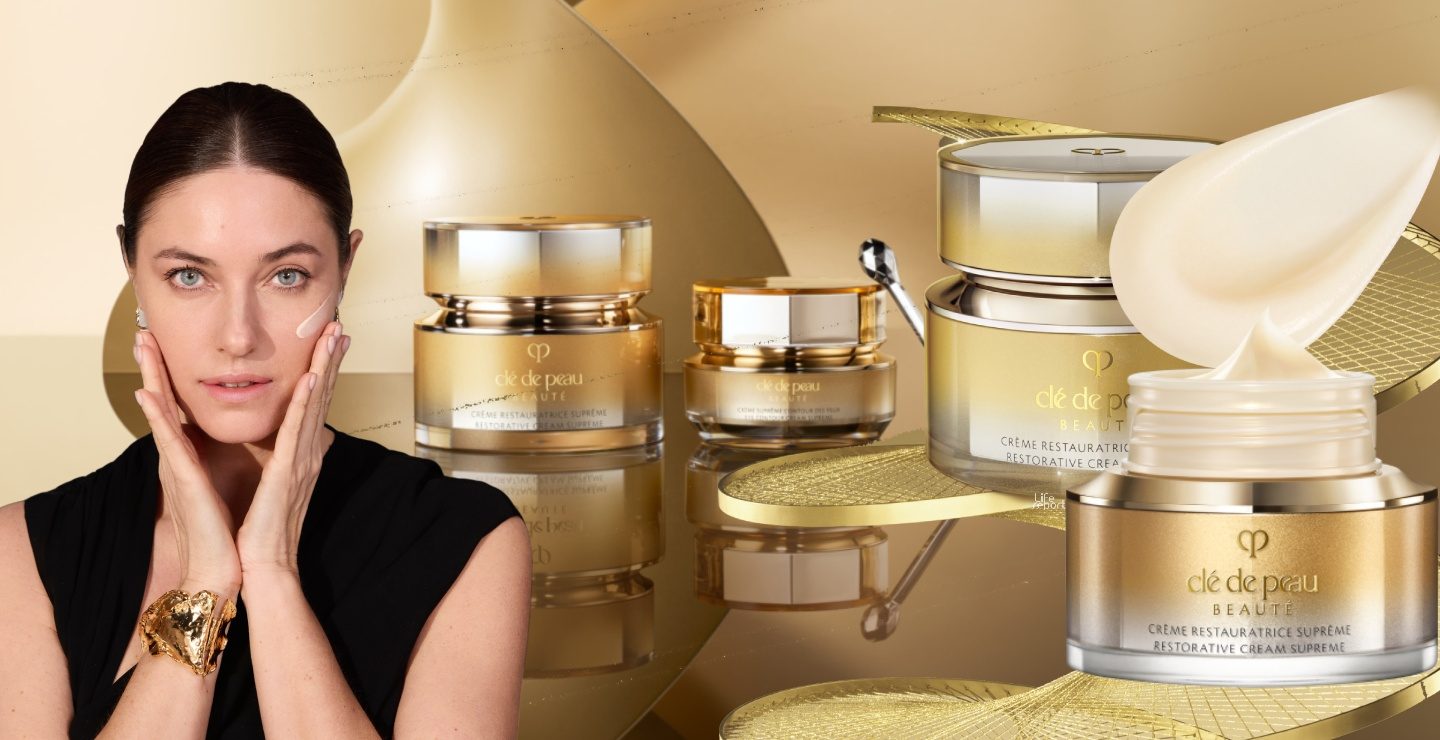
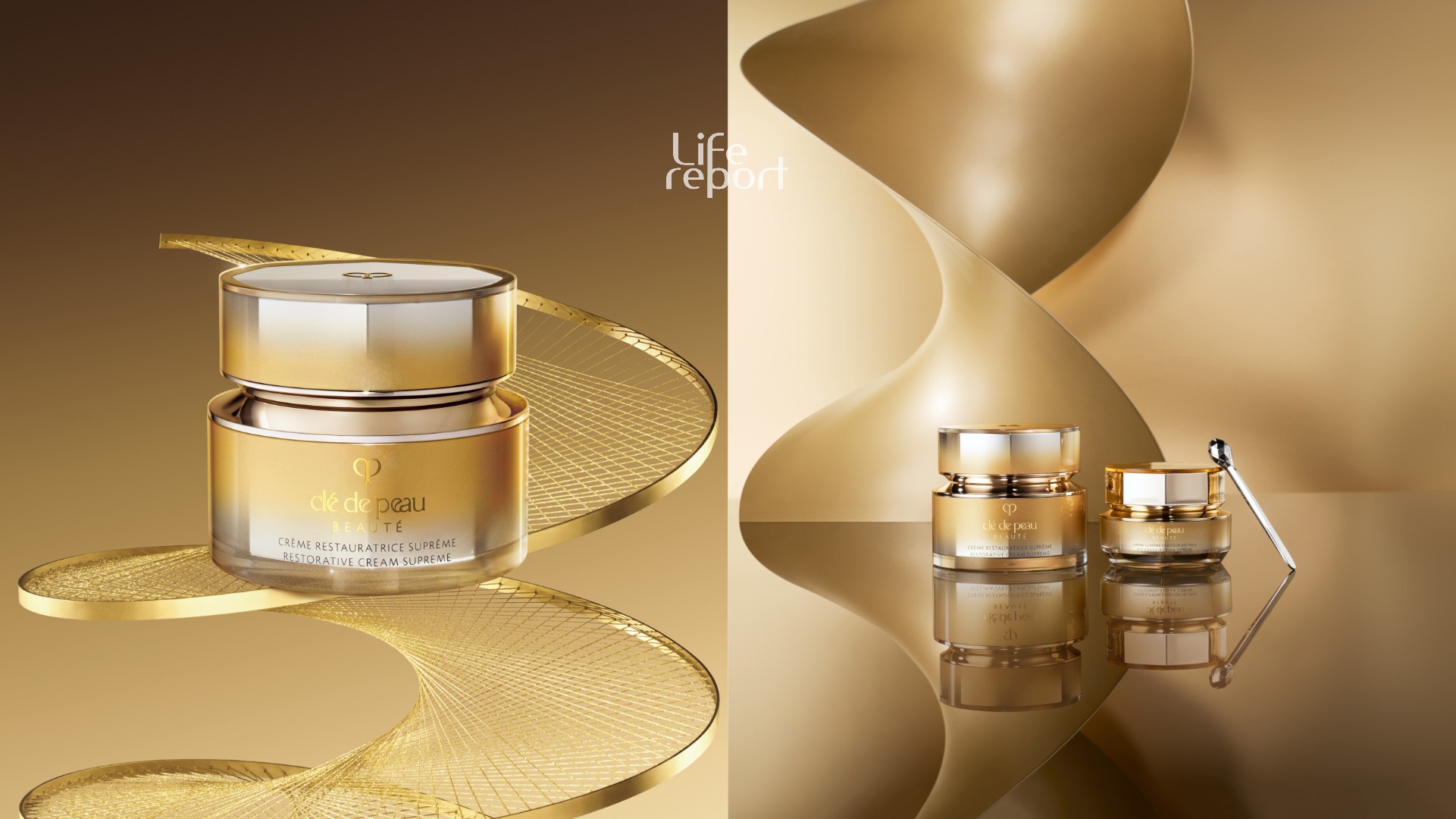
For more than two decades, Shiseido has been investigating cellular ageing as part of a broader programme of research into regenerative medicine. That work has now informed the development of Restorative Cream Supreme, the latest addition to Clé de Peau Beauté’s Supreme Age Artisans collection. The cream arrives in the UAE at a moment of particular resonance. This is a market where the language of skincare has become almost as sophisticated as the language of watchmaking – where consumers can distinguish between a peptide and a ceramide, and where the vocabulary of longevity is increasingly entering the beauty conversation. Clé de Peau Beauté itself describes the new formula as a regenerative-science-inspired approach to skin recovery and longevity.
The science behind the story is intriguing. Cellular senescence – the accumulation of cells that have permanently exited the cell cycle but remain metabolically active – is now an established area of ageing research. Senescent dermal fibroblasts have been shown to influence neighbouring cells and contribute to changes in the extracellular matrix, while senolytic approaches that selectively target senescent cells are being investigated as potential interventions for age-related tissue deterioration.
Shiseido’s contribution to this particular line of research centres on an unexpected botanical: coriander fruit extract, derived from Coriandrum sativum. In July 2026, the company announced that, in laboratory studies, the extract induced apoptosis in dermal fibroblasts made senescent by oxidative stress, while the same effect was not observed in normal fibroblasts. Shiseido also reported that, when normal and senescent cells were cultured together, the extract reduced the number of senescent cells while increasing the number of normal cells, with the increase in normal cells subsequently associated with greater collagen production. The company says the research builds on more than 20 years of work in skin and hair regenerative medicine, including its earlier development of coriander extract for hair-related research in 1997.
That distinction is important. These findings were generated in laboratory cell models; they do not establish that applying the finished cosmetic cream selectively removes senescent cells throughout human skin. What they do provide is the scientific premise behind the brand’s narrative – a move away from merely addressing the visible consequences of ageing towards investigating some of the cellular processes associated with it.
View this post on Instagram
This forms the first axis of the cream’s architecture. The second concerns the skin’s capillary network, the microscopic infrastructure involved in nutrient delivery. Clé de Peau Beauté’s research focuses on what it calls “calming macrophages”, immune cells associated with the capillary environment. The brand proposes that maintaining the relationship between these cells and the capillary network can support the skin’s recovery capacity. Ruby Peptide – comprising Trifolium pratense flower extract, carnosine and glycerin – is designed to support this system, while Golden Botanical Concentrate contains honeysuckle, safflower and coriander fruit extract.
The clinical claims are more restrained than the rhetoric surrounding the science might suggest. In a clinical test involving 31 women, Clé de Peau Beauté reports that after four weeks the skin appeared more even-toned and smooth, with fine lines visibly reduced. After eight weeks, firmness had increased, while wrinkles and the appearance of nasolabial folds were visibly reduced. A separate consumer study involving 106 women reported that, after eight weeks, 100% wanted to continue using the cream, 99% felt their skin had become plumper, 98% felt it was more even-toned, 98% felt it had become firmer and more elastic, and 97% felt their skin looked more youthful. These latter figures are perceptions reported by consumers rather than measurements of cellular rejuvenation.
The product also arrives with a gesture towards the aesthetic-medicine market. Clé de Peau Beauté says Restorative Cream Supreme accelerates recovery of the skin barrier twice as fast after aesthetic procedures. That claim is based on a clinical test involving 32 women who used the cream compared with their regular cream. The accompanying Restorative Facial Exercise is intended to complement the product’s focus on the skin’s recovery system; one reported clinical study found a 15% improvement in blood flow after eight weeks among 31 women aged 55 to 64 in China.
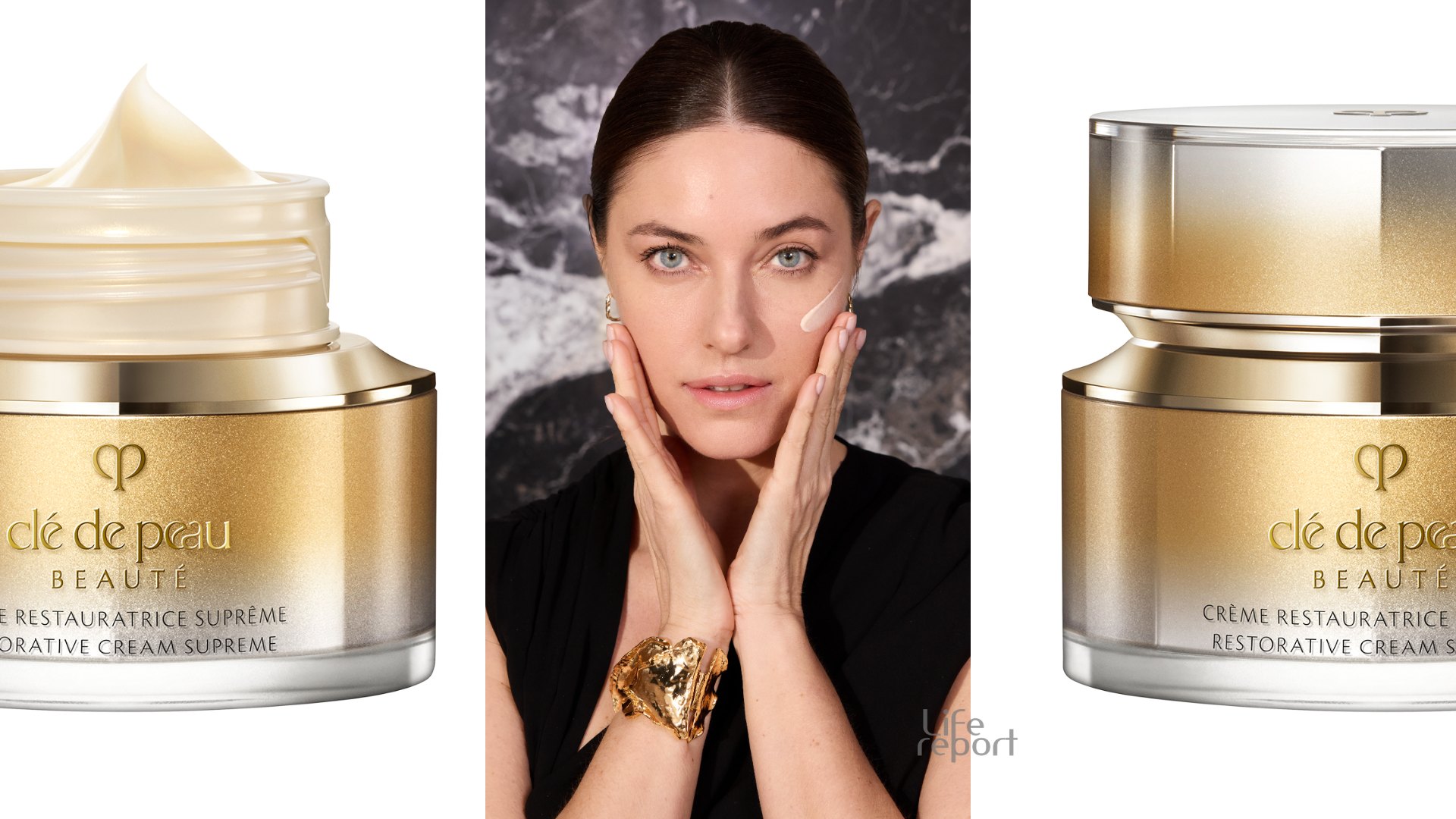
There is, of course, a certain irony in a product that addresses biological accumulation while contributing to the physical kind. The beauty industry’s environmental ledger is not a flattering document. Clé de Peau Beauté’s response is a refillable format: the cream is available in a 50ml jar, with a refill sold separately. The brand explicitly positions the refillable packaging as a more sustainability-conscious beauty ritual, allowing the main container to be reused rather than discarded with every purchase.
The packaging itself is finished in the brand’s Ultimate Science Platinum aesthetic rather than the navy-and-gold treatment described in earlier versions of the product story. It is designed to be retained, making the refill part of the overall proposition. Whether refillability translates into a meaningful environmental benefit ultimately depends on factors beyond the vanity itself – materials, manufacturing, transport and the actual rate at which consumers reuse the container.
The brand’s presence in Dubai has a history that predates the current acceleration of the luxury-beauty market. In 2019, Shiseido Travel Retail and Dubai Duty Free unveiled Clé de Peau Beauté’s first counter in the EMEA travel-retail market at Dubai International Airport. The counter was located in Concourse B, Unit 12 of the main Emirates Terminal. Shiseido cited the airport’s strategic location, traffic and passenger demographics; at the time, 60% of DXB’s skincare customers were reported to be Asian travellers, a key demographic for the Japanese prestige brand.
The brand’s international ambitions have continued to expand. In July 2025, Nicole Kidman was appointed Clé de Peau Beauté’s Global Brand Ambassador, reinforcing its positioning as a global luxury skincare and make-up brand rather than a purely Japanese proposition.
One does not have to be a cynic to note that the language of regenerative medicine has become one of the luxury beauty sector’s most fashionable idioms. The promise of “altering skin’s experience of time” is a poetic formulation that could sit comfortably in a press release for any number of maisons. The difference here is that there is genuine scientific research behind the narrative: Shiseido has published peer-reviewed work on the effects of senescent dermal fibroblasts on neighbouring cells, and in July 2026 it announced new laboratory findings concerning cilantro fruit extract and senescent skin cells. The latter finding, however, should be understood for what it is: promising laboratory research, not evidence that a cosmetic cream constitutes a medical senolytic treatment in humans.
View this post on Instagram
This distinction matters. A cream, however sophisticated, should not be presented as a dermal regenerator capable of reversing decades of photodamage or undoing the structural changes associated with ageing. What the available evidence supports is a more modest proposition: Restorative Cream Supreme can improve the visible appearance of firmness, smoothness, wrinkles and skin tone while supporting hydration and recovery of the skin barrier. It is a cosmetic intervention built around the language and ideas of regenerative science, not a replacement for medical treatment.
For the Dubai resident who understands that ageing is not a flaw to be erased but a process to be curated, Restorative Cream Supreme makes an intriguing proposition. It is a product that respects the intelligence of its user, offering a scientific narrative as carefully constructed as the texture and packaging surrounding it. Whether the senescent cells of the dermis truly surrender to the cream’s coriander-infused technology is a question that laboratory research can illuminate only in part. The more immediate answer will emerge through continued testing, longer-term use and, ultimately, the mirror. In a city that treats time as a currency, that may be the most persuasive luxury of all.
ALSO READ: Porsche Taycan Turbo GT Sonderwunsch: The Liquid-Gold Masterpiece Made for Collectors