One learns, after a certain number of seasons, to distrust the familiar geography of the art world. The well-trodden paths between Basel, Miami, and Maastricht begin to feel a little too comfortable, their discoveries a little too pre-ordained. The true thrill, the kind that quickens the pulse of any serious connoisseur, lies not in following the map, but in watching its very edges being redrawn.
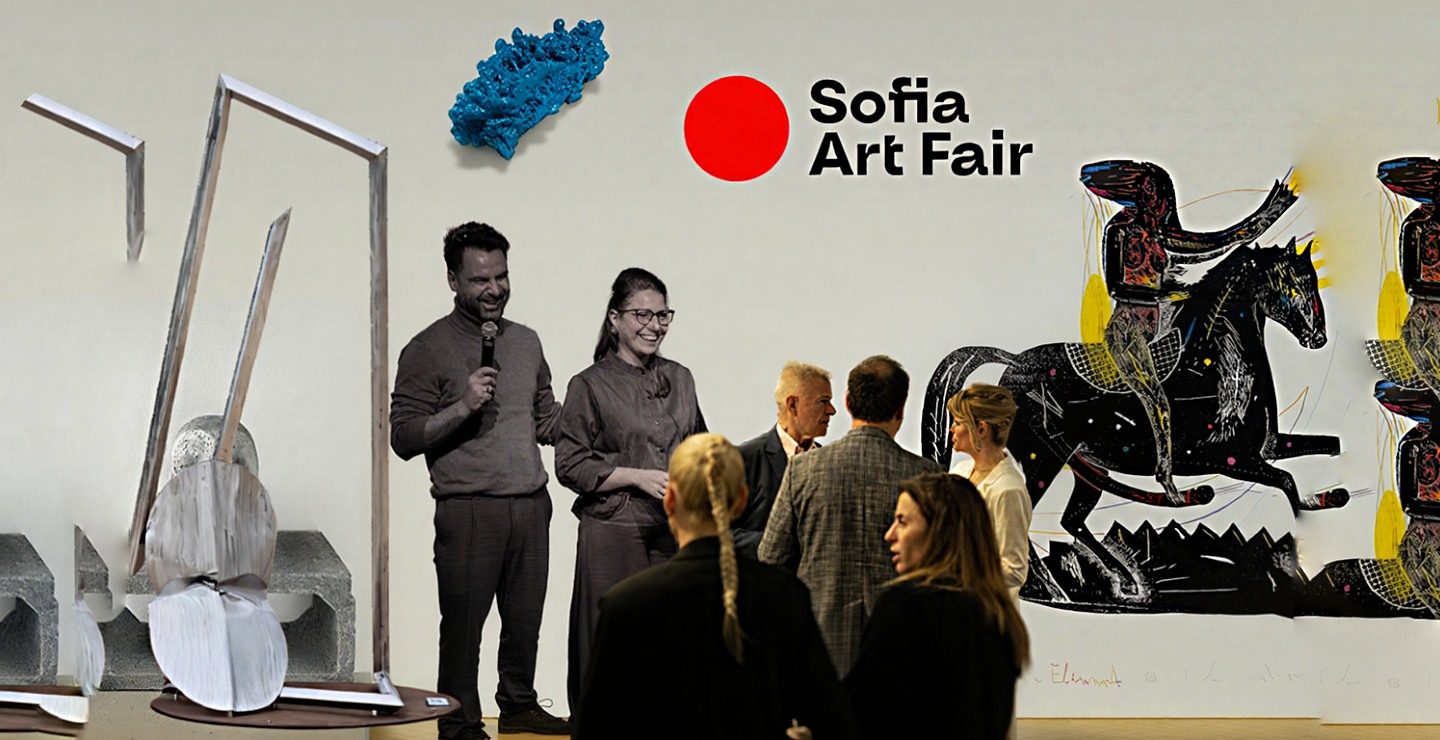
This autumn, that cartographic shift was happening not in a traditional capital, but in the dynamic heart of Bulgaria. To step into the Sofia Art Fair was to witness a compelling act of cultural alchemy: the transformation of a city once on the periphery into a vibrant new centre of gravity. The air in the John Atanasoff Innovation Forum didn’t just hum with conversation; it crackled with the most intoxicating scent of all – the promise of a beginning.
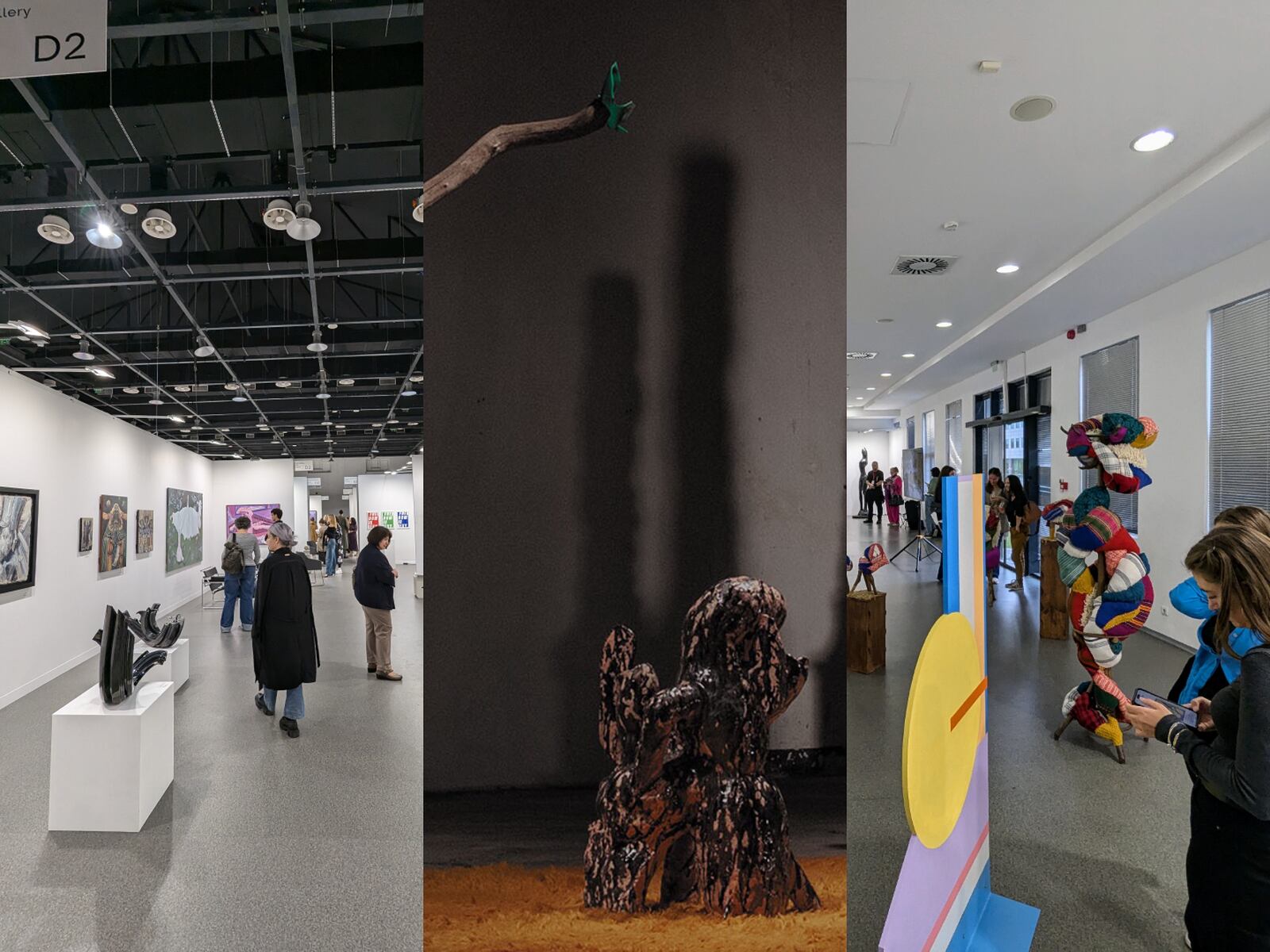
The fair’s theme, “IMAGINE,” could have been a mere platitude. In Sofia, it felt like a directive. Stretched across 4,500 square meters, this sophomore effort was no longer a tentative whisper in a collector’s ear, but a confident, articulate statement. One does not simply ‘visit’ a fair with such aspirations; one engages with its geography. And the cartography here was deliberate: over thirty galleries and collectives from a dozen European and Eurasian corners – from the established rigour of Paris and Vienna to the vibrant, emerging scenes of Tbilisi and Baku. This is not the cultural window-dressing of a provincial event; it is strategic muscle, positioning Sofia as the new, intriguingly accessible salon where Balkan vitality meets Eurasian nuance.
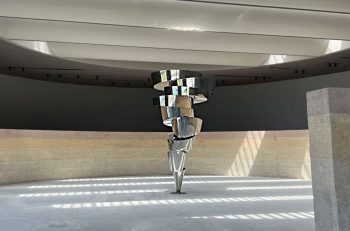
Let us be clear, for a fair of such tender years to display this level of curatorial confidence is as refreshing as it is rare. The local galleries did not simply hold their own; they provided the fair’s vital, beating heart. DOM Concept Space, Atelier 28, Grafikart – each booth felt less like a commercial stall and more like a meticulously composed micro-salon, a testament to the Bulgarian talent for intellectual hospitality. The curated “On Focus” section, with its sculptural installations and hybrid media, served as tranquil, thought-provoking oases. They were not shouting for attention, but inviting a pause – a moment to breathe and, true to the theme, to imagine other possible realities.
View this post on Instagram
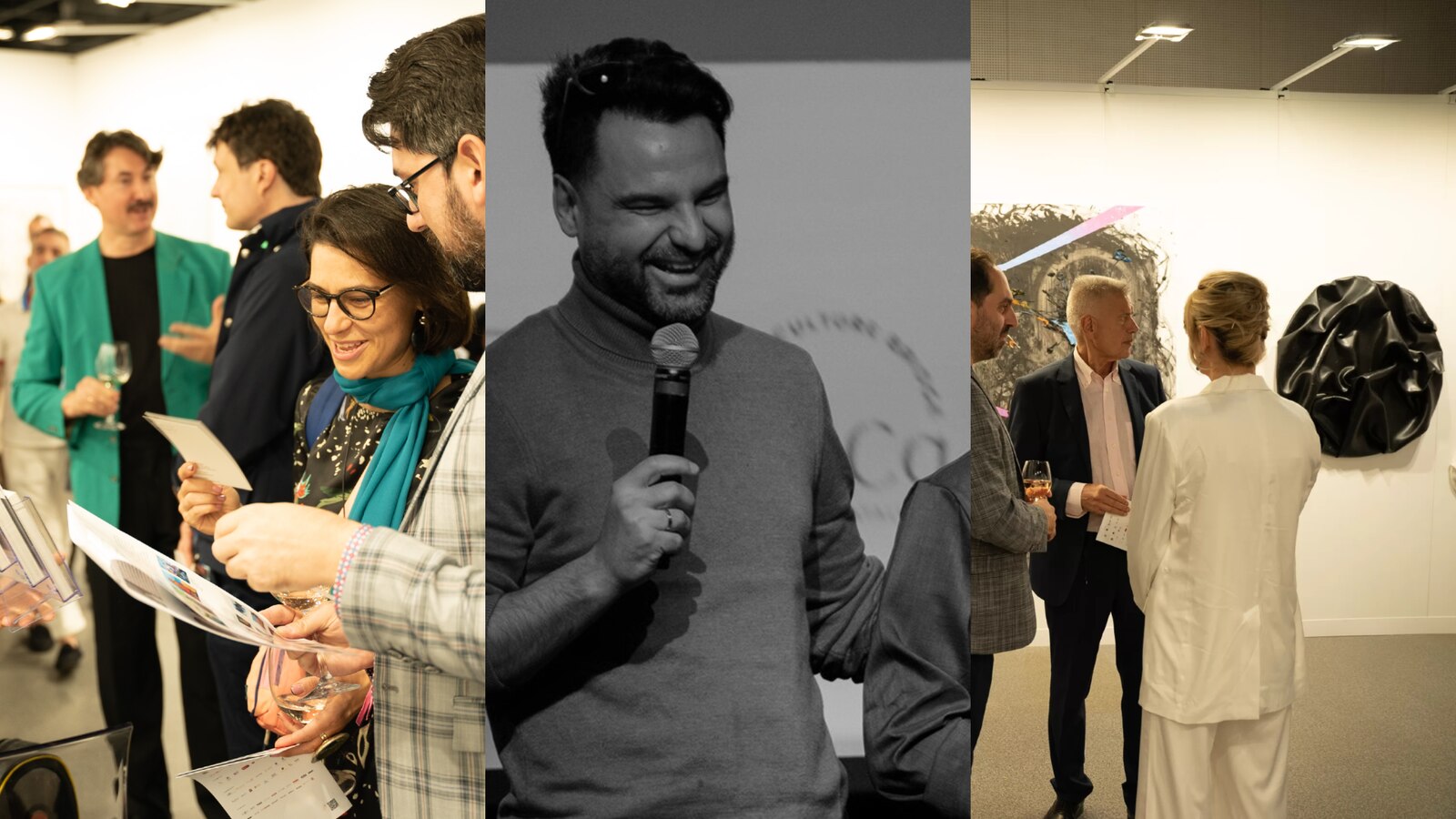
Any civilised gathering worth its salt must feed the mind as well as the eye. The SAF Talks programme provided this essential intellectual spine, drawing voices like Eelco van der Lingen of the Mondriaan Fund and Bénédicte Alliot of the Cité internationale des arts. They wove threads connecting art to law, ecology, and society, grounding the aesthetic experience in the very stuff of life. It was a necessary reminder that the most luxurious object one can collect today is a well-formed idea.
What truly delighted me, however, was the fair’s overarching atmosphere. This was not the brittle, intimidating luxury of some more established fairs, where the price tags are felt more than seen. Instead, Sofia Art Fair exuded a thoughtful elegance, a perfume-tinge of genuine possibility. It carried the conviction that art need not be remote to be profound, and that innovation can be as intimate as a whispered conversation. It brought to mind the understated confidence of a Bals piano in a private music room or the perfect balance of a vintage Prouvé chair – design that serves dialogue, not merely display.
As I took my leave, I reflected that if the Balkan art scene were a constellation, it has long been waiting for a cartographer. Sofia Art Fair, in just its second year, is boldly attempting to draw the first map. The work ahead is significant – forging deeper collector networks, cementing international partnerships – but the foundation is there, built with the right mix of curiosity, seriousness, and tasteful audacity. I left imagining what comes next, convinced that a city once known for its tentative cultural experiments is poised to become a significant exporter of influence. And that, dear reader, is a development as compelling as any masterpiece.